Open 24 hours, 7 days a week

Leadwork · valleys, abutments & flashings

Sandhurst’s TrustedLeadwork & Flashing Specialists

Correctly sized and dressed lead to valleys, abutments, chimneys, dormers and parapets. This is the detail where the majority of roof leaks actually begin, and it is the first thing cheap work gets wrong. Free survey with photographs, insured qualified teams, fully guaranteed.

Lead dressed properly, not sealed with mastic · free quotation · guaranteed work

  • City & Guilds qualified roofing teams
  • 15 years' experience across Berkshire & Surrey
  • Fully insured, safe access equipment
  • Photographed before, during and after
  • 100% satisfaction guarantee

The service

Where Leadwork Sits on a Roof and Why It Matters

Tiles and slates handle the open field of a roof perfectly well. What they cannot do is turn a corner or meet a wall. Everywhere the roof changes direction or abuts another structure, a chimney, a dormer cheek, a parapet, a valley between two pitches, the junction with an extension, the waterproofing is done by lead. If that lead is undersized, badly dressed, poorly fixed or simply worn out, the roof leaks regardless of how good the covering is.

Lead is used because it lasts and because it can be worked to fit complex shapes precisely. It also moves considerably with temperature, which is why lead has to be installed in appropriate lengths with proper laps, wedged into raked-out joints and pointed. Overlong sheets crack along the fold; sheets fixed rigidly at both ends split.

Our leadwork covers step and cover flashings, front aprons, back gutters, side soakers, valley linings, parapet and box gutter linings, dormer detailing and pitched-to-flat junctions. It is carried out as part of re-roofing and as standalone repair work when an otherwise sound roof is leaking at a junction.

When leadwork is the answer

  • Leaks appearing around a chimney, dormer, parapet or extension junction
  • Visible cracks, splits, tears or lifted edges in existing lead
  • Flashings that somebody has previously repaired with mastic, sealant or spray coating
  • Valleys that overflow, hold debris or show staining on the ceiling below
  • Any re-roof, where new covering deserves new flashings rather than re-used ones
Book a free site visit

If it is left

What Failed Flashings Do Before You Notice

Junction leaks are the most damaging because they discharge water directly into the structure rather than onto the outside of the covering. A failed chimney apron puts water onto rafters and ceiling joists. A split valley lining runs water into the middle of the roof structure where two pitches meet, which is a heavily loaded and poorly ventilated part of the roof.

Because the entry point is usually well above where the stain appears, junction leaks are frequently misdiagnosed. Owners replace tiles, re-bed ridges or redecorate ceilings while the actual defect, a hundred pounds of lead, keeps working away at the timbers.

Sealant makes it worse. Mastic and spray coatings over failed lead trap water behind them and stop the joint drying, so the timber underneath stays permanently wet. We strip a lot of sealant off roofs where the lead beneath it has been quietly rotting the structure for years.

Common leadwork mistakes

  • Long, unbroken lengths of lead with no allowance for thermal movement, which then split
  • Flashings sat on the surface and sealed, rather than raked into the joint, wedged and pointed
  • Undersized lead codes used to save money on a heavily exposed detail
  • Re-using old, fatigued flashings when the roof covering around them is renewed
  • Mortar fillets used instead of lead at abutments, they crack within a couple of winters

Recent leadwork & flashing work

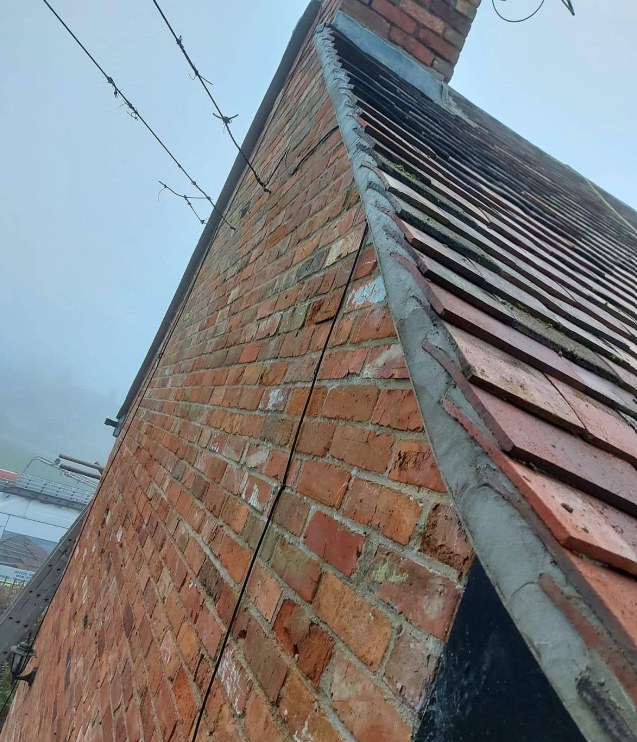
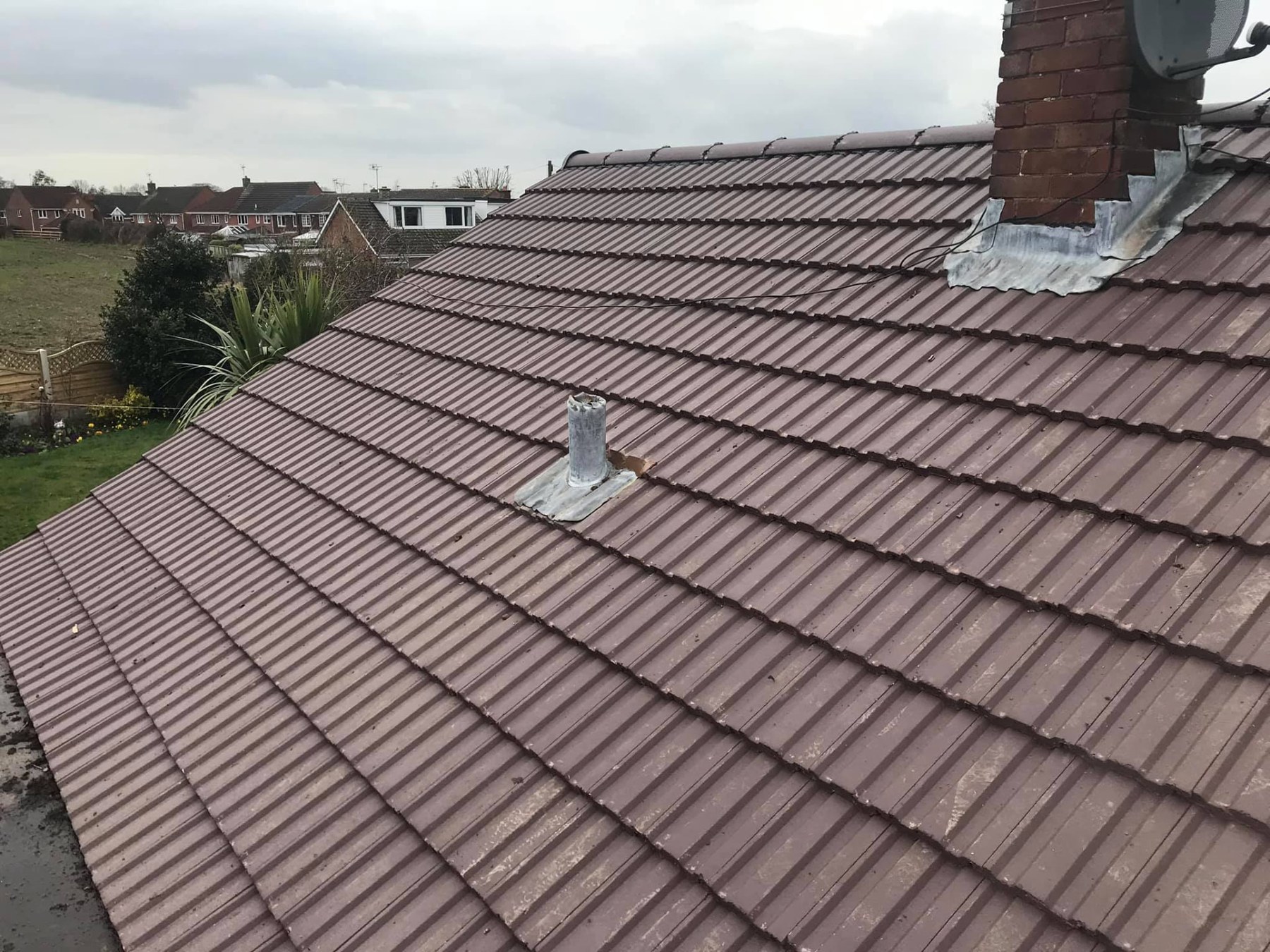
Brown roof tiles dressed around a chimney with new lead flashing

How we work

Our leadwork & flashing process

The same sequence on every job, from the first call to the photographs at the end.

  1. Step 1

    Inspection and leak tracing

    We identify which junction is failing, inspect the roof and the loft where access allows, and photograph the condition of every flashing, valley and abutment.

  2. Step 2

    Diagnosis and quotation

    You get a clear explanation of what has failed and why, and a free written price specifying the leadwork to be carried out.

  3. Step 3

    Strip out and preparation

    Old lead, sealant and failed mortar fillets are removed, joints raked out, and the surrounding tiles or slates carefully lifted and set aside.

  4. Step 4

    New lead formed and fitted

    Lead is cut, dressed and fitted in appropriate lengths with correct laps, then wedged into raked joints and pointed, with soakers and valley linings installed as required.

  5. Step 5

    Reinstate, test and guarantee

    Covering is reinstated, the detail is checked, debris cleared, and after photographs handed over with our 100% satisfaction guarantee.

What you get

Why customers choose us for leadwork & flashing

The most common leak source removed

Junctions handled properly means the part of the roof that fails first is the part that has just been renewed.

Decades of service life

Correctly sized and fitted lead is one of the longest-lasting materials on a building, vastly outliving sealant repairs.

Structure protected

Stopping water at the junction keeps rafters, valley boards and ceiling joists dry, avoiding timber repairs later.

No mastic bodges

We remove sealant repairs rather than adding to them, so the detail can shed and dry as it was designed to.

Done with the roof

Leadwork carried out alongside re-roofing, chimney or flat roof works means one team, one access and one guarantee.

Neat, matched finish

Properly dressed lead sits tight to the profile of the tiles and looks like it belongs, rather than patched on.

In detail

Details, Codes and Applications

Lead is specified by code and by detail. Both change with exposure and location on the roof.

Chimney flashings: apron, soakers, step and back gutter

A chimney passing through a pitched roof needs four separate elements: a front apron shedding water onto the tiles, side soakers interleaved with the covering, step flashings dressed into the raked joints of the stack, and a back gutter behind it. Missing or improvised versions of any one of these will leak, and a mortar fillet is not a substitute for any of them.

Valleys and pitched junctions

Valleys carry the combined run-off of two roof planes and are the highest-volume detail on most roofs. Lead-lined valleys are formed over a valley board with correct laps and adequate width, and the tiles or slates each side are cut and bedded to a clean line. Debris collecting in a valley is a maintenance issue, not a defect, and clearing them periodically keeps them working.

Parapets, box gutters and abutments

Parapet walls and box gutters are common on terraces, period property and commercial buildings, and they carry water in a channel rather than shedding it off an edge. Linings need to be correctly sized, stepped and lapped, with drips at the right intervals and outlets that can be cleared. Failures here fill a channel and put water into the building fast.

Dormers, rooflights and pitched-to-flat junctions

Dormer cheeks, the junction between a dormer roof and the main pitch, and any pitched roof meeting a flat roof all need lead detailing that allows for movement between two different structures. On loft conversions this is often where problems appear a couple of years after the work was done.

Lead codes and thermal movement

Lead is graded by code, with heavier codes used for larger and more exposed details. Just as important is the length of each piece: lead expands and contracts significantly, so pieces are kept to sensible lengths with laps, and fixed at one edge so they can move without splitting.

Residential and commercial leadwork

On homes, leadwork is usually chimneys, valleys, dormers and extension junctions. On commercial and older institutional buildings, parapet gutters, larger box gutters and complex abutments dominate. We carry out both across a 50-mile radius of Sandhurst.

Areas we cover for leadwork & flashing

Based at 12 Yeovil Road, Sandhurst GU47 0TE, working across Berkshire, Surrey, Hampshire and everywhere else within roughly a 50-mile radius. See all of the towns we cover.

Common questions

Leadwork & Flashing, your questions answered

If your question is not here, call Henry Lee and the team on 07946 209052. Open 24 hours, 7 days a week.

How much does new lead flashing cost?

It depends on the detail, the length of the run, the lead code required and access. We survey and photograph the failure and give a free written quotation before any work is agreed.

How long does flashing work take?

Many chimney flashing and abutment jobs are completed within a day once access is in place. Valley linings and parapet gutters take longer and are programmed with the quotation.

Can you just seal the flashing instead?

Sealant over failed lead traps water and hides the problem. We remove it and replace the lead, which is the repair that actually stops the leak.

How long should leadwork last?

Correctly specified, sized and fitted lead is one of the most durable materials on a roof and is measured in decades. Most premature failures come from over-long sheets, undersized code or poor fixing.

Is my leak definitely the flashing?

Junction leaks are the most common cause, but not the only one. We trace the water rather than assume, and photograph what we find so you can see the evidence.

Do you renew flashings when re-roofing?

Yes. Re-using tired flashings on a new roof is a false economy, new covering deserves new lead at every junction.

Do you do emergency flashing repairs?

We take emergency calls 24 hours a day and will make a property safe and watertight before agreeing the permanent repair.

Is the work guaranteed?

Yes, all work is backed by our 100% satisfaction guarantee, and every job is photographed before, during and after.

Do you work on parapet and box gutters?

Yes, on both domestic period property and commercial buildings, including outlets and the detailing that keeps them clearable.

Which areas do you cover?

Sandhurst and the surrounding towns across Berkshire, Surrey and Hampshire, including Camberley, Bracknell, Crowthorne, Yateley, Farnborough, Fleet and Wokingham.

Free, no-obligation quotation

Find Out ExactlyWhere the Water Gets In

A free survey with photographs of every flashing, valley and abutment on your roof, and a written price for lead that is dressed properly rather than sealed over.

Request your free quotation

Takes under a minute. No obligation, no pressure.

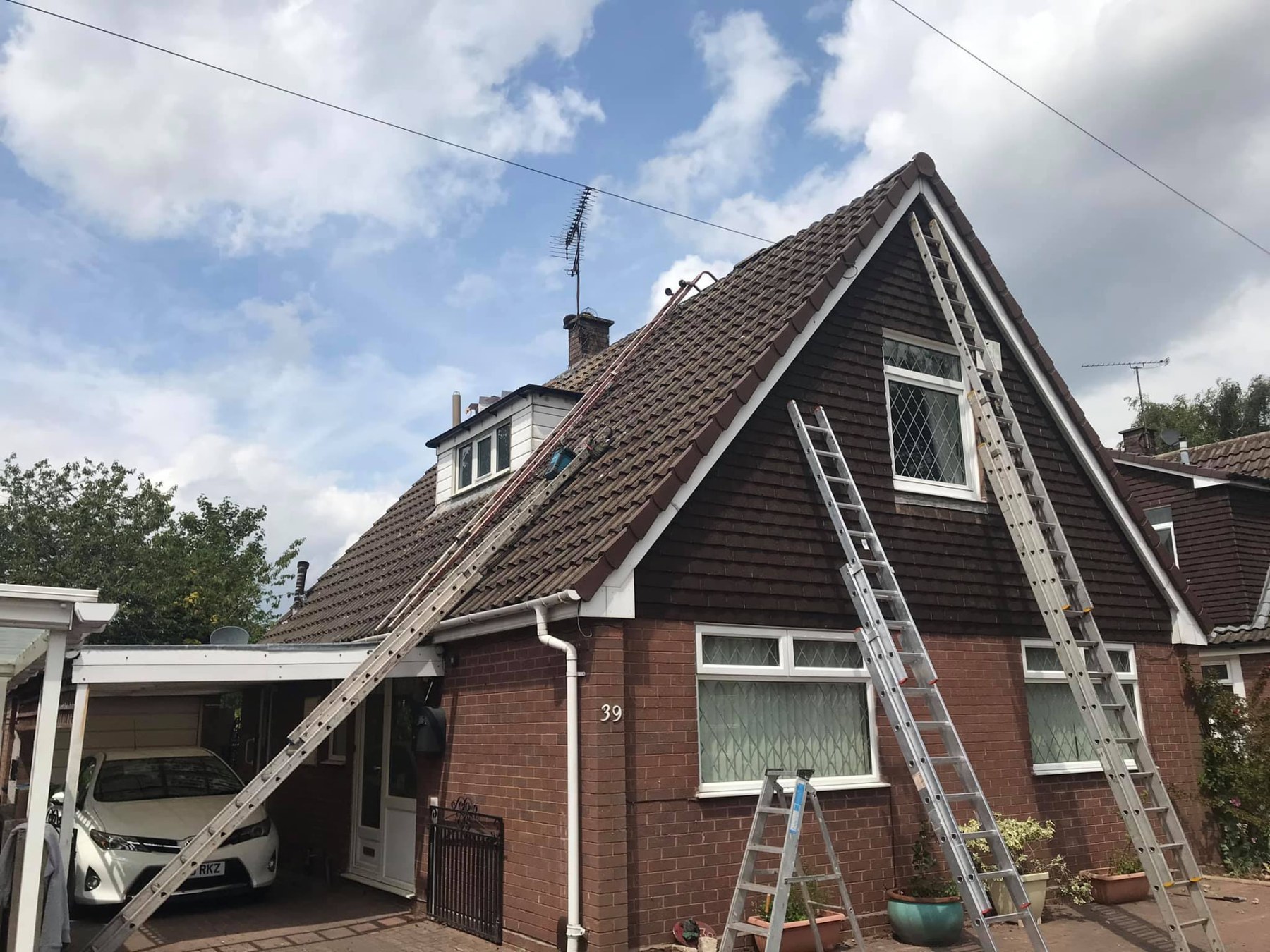
Detached Berkshire home after a complete new tiled roof by H Lee & Son Roofing Services
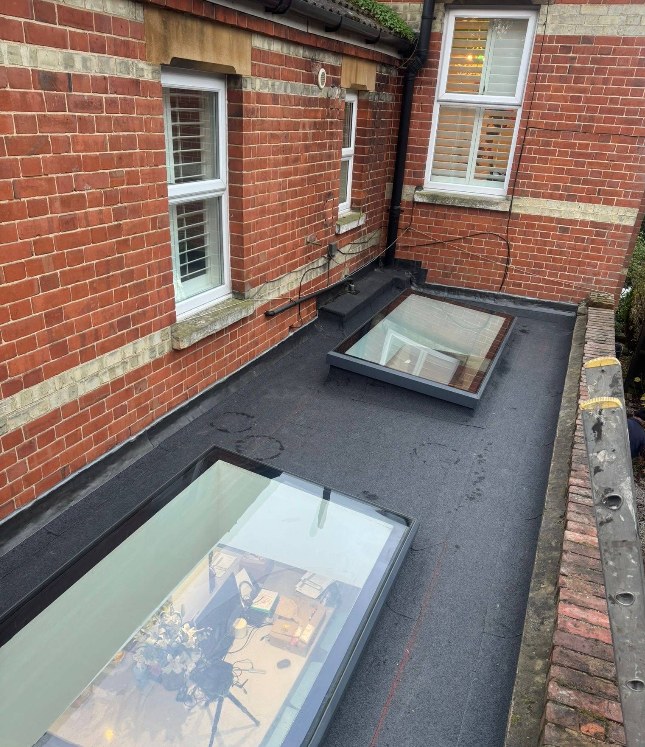
New flat roof with two large rooflights fitted to a Surrey extension
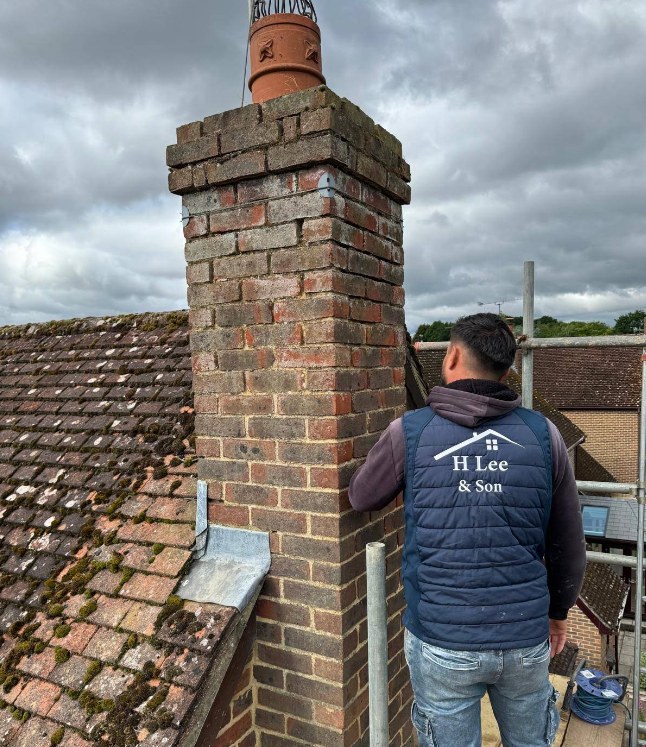
Chimney stack rebuilt and re-leaded during chimney repairs in Berkshire
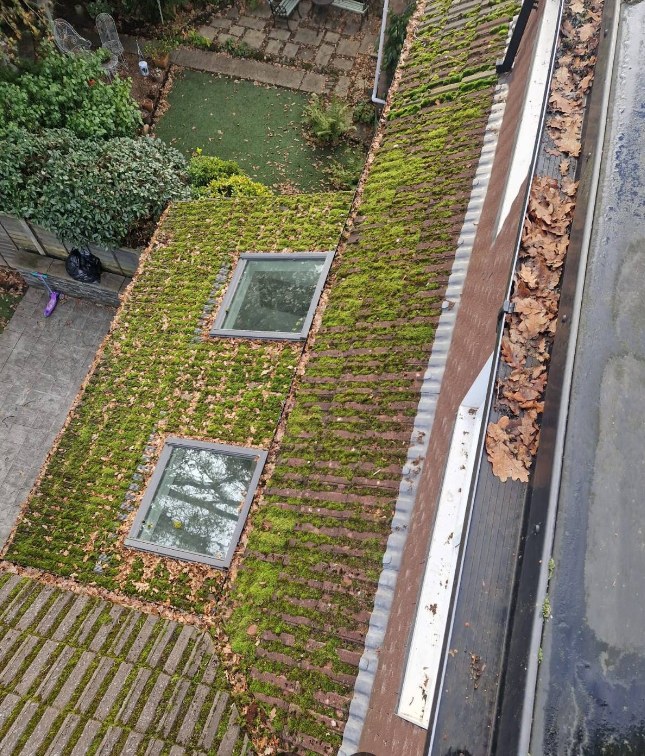
Moss-covered tiled roof and blocked guttering before roof and gutter cleaning
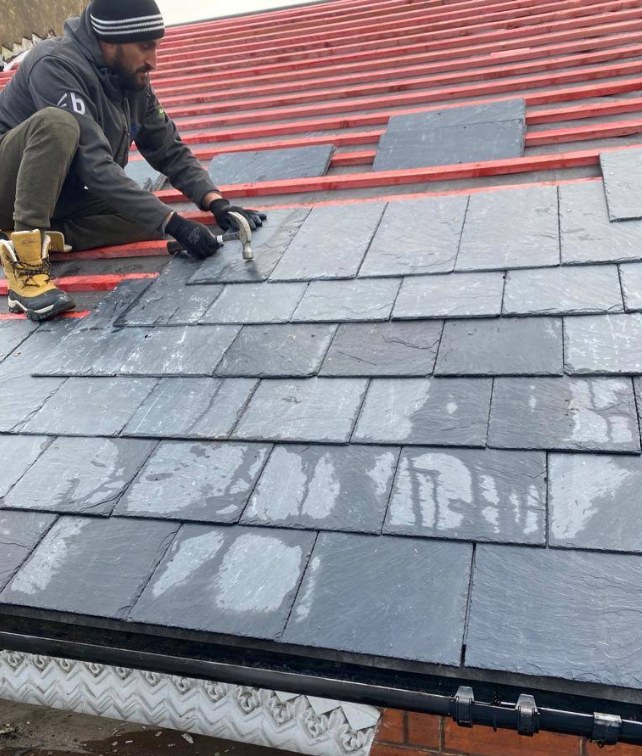
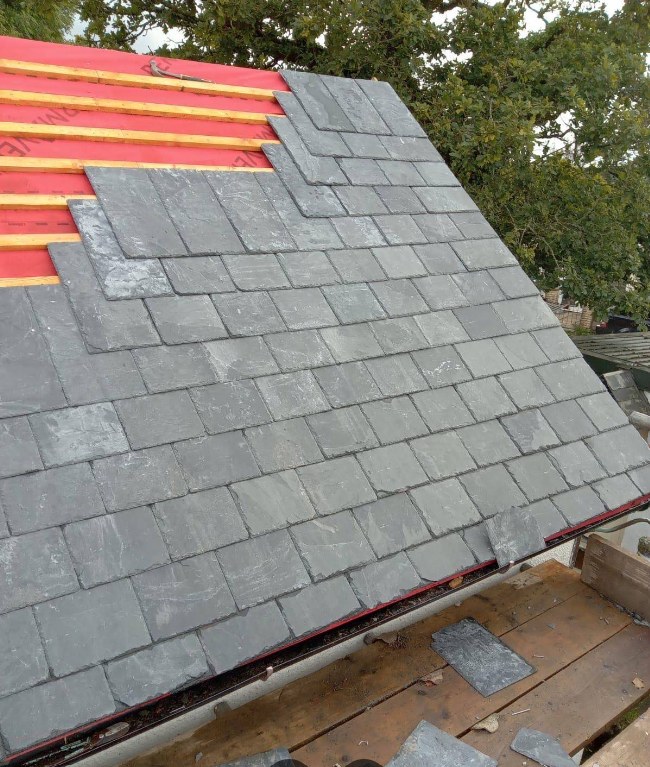
Grey slate tiles being laid over breathable membrane during a re-roof in Sandhurst
Call nowFree quote