H Lee & Son is based at 12 Yeovil Road, so when we say we cover Sandhurst we mean it in the most literal sense: our teams and vans start the day here. We work right across the town's traditional divisions, Yorktown around the High Street and the A321 corridor, Little Sandhurst towards the Crowthorne boundary, and College Town, named for its proximity to the Royal Military Academy at Sandhurst, whose grounds and married quarters have shaped a good deal of the housing stock nearby. Whichever part of town a call comes from, one of our teams has usually driven past that street within the last week.
Because the yard is here, attendance for Sandhurst jobs is straightforward rather than scheduled around a long drive. A leak reported in the morning on Yorktown Road or around the High Street can usually be looked at the same day, and emergency call-outs overnight are genuinely local rather than a promise made from a call centre. Being based in the town also means we know which roofs are prone to particular problems before we even get the ladder up, which streets sit low and collect standing water, which estates were built with a common flat-roof garage design that is now failing across dozens of houses at once.
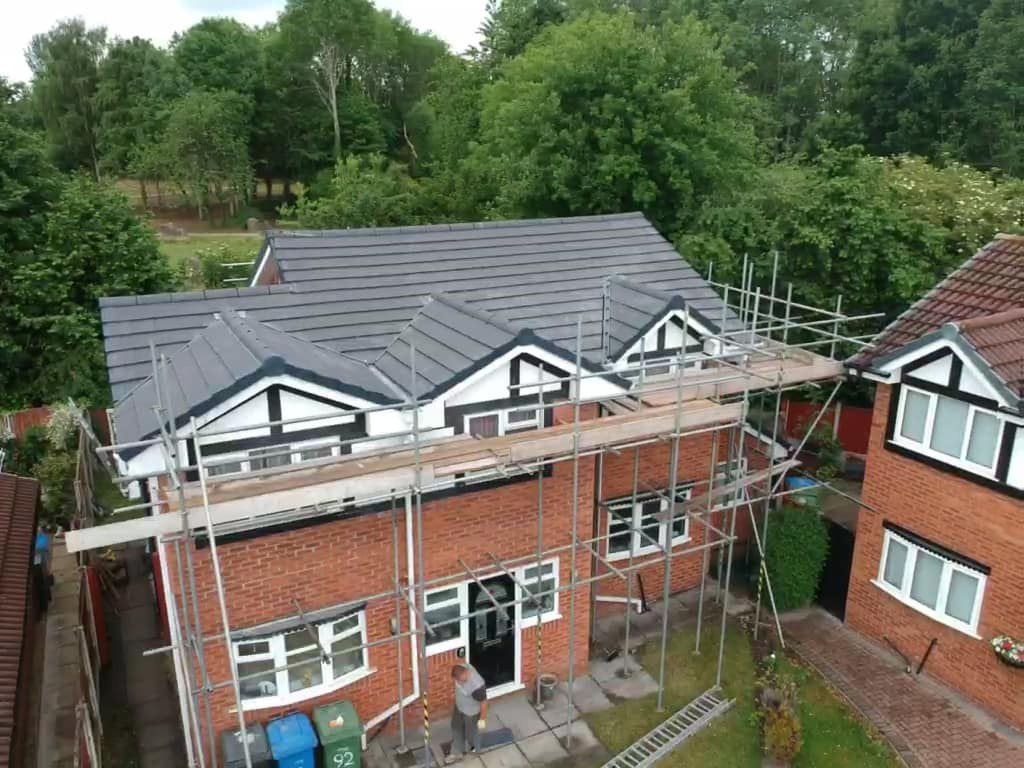
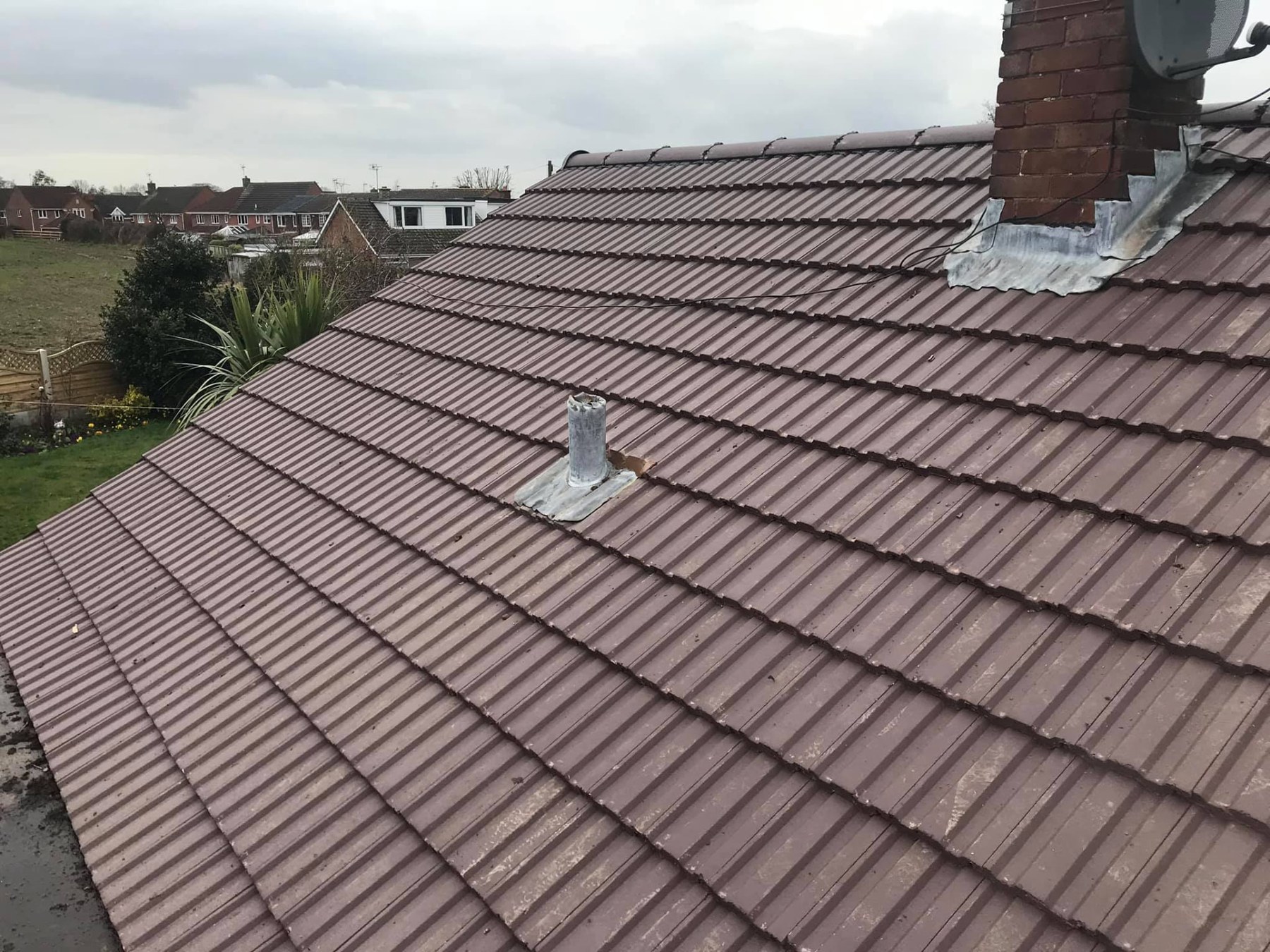
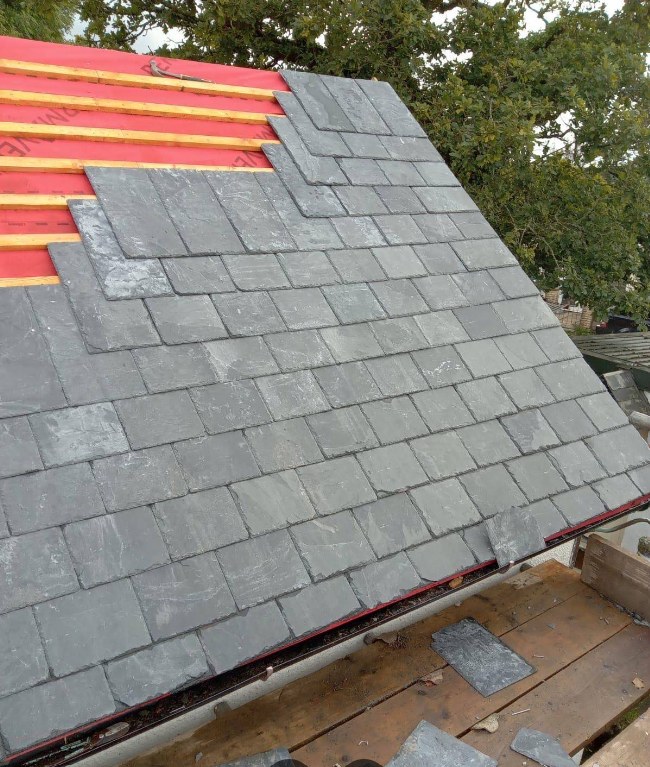
Sandhurst's housing stock is unusually mixed for a town this size, and that variety is most of our daily work. There are pockets of Victorian and early-1900s cottages close to the old High Street and around Yorktown, many with steep-pitched slate or plain tile roofs, tall chimneys and boxed eaves that were never designed for modern loft conversions. Interwar and 1930s bay-fronted semis sit alongside them with their original clay tiles now well past service life. Then there is the bulk of the town: large post-war and 1970s-80s estates built as the population grew around the Academy and the railway, roofed in concrete interlocking tiles on relatively shallow pitches, plus newer developments off Wellington Road and towards College Town with engineered trussed roofs and pre-formed valleys.
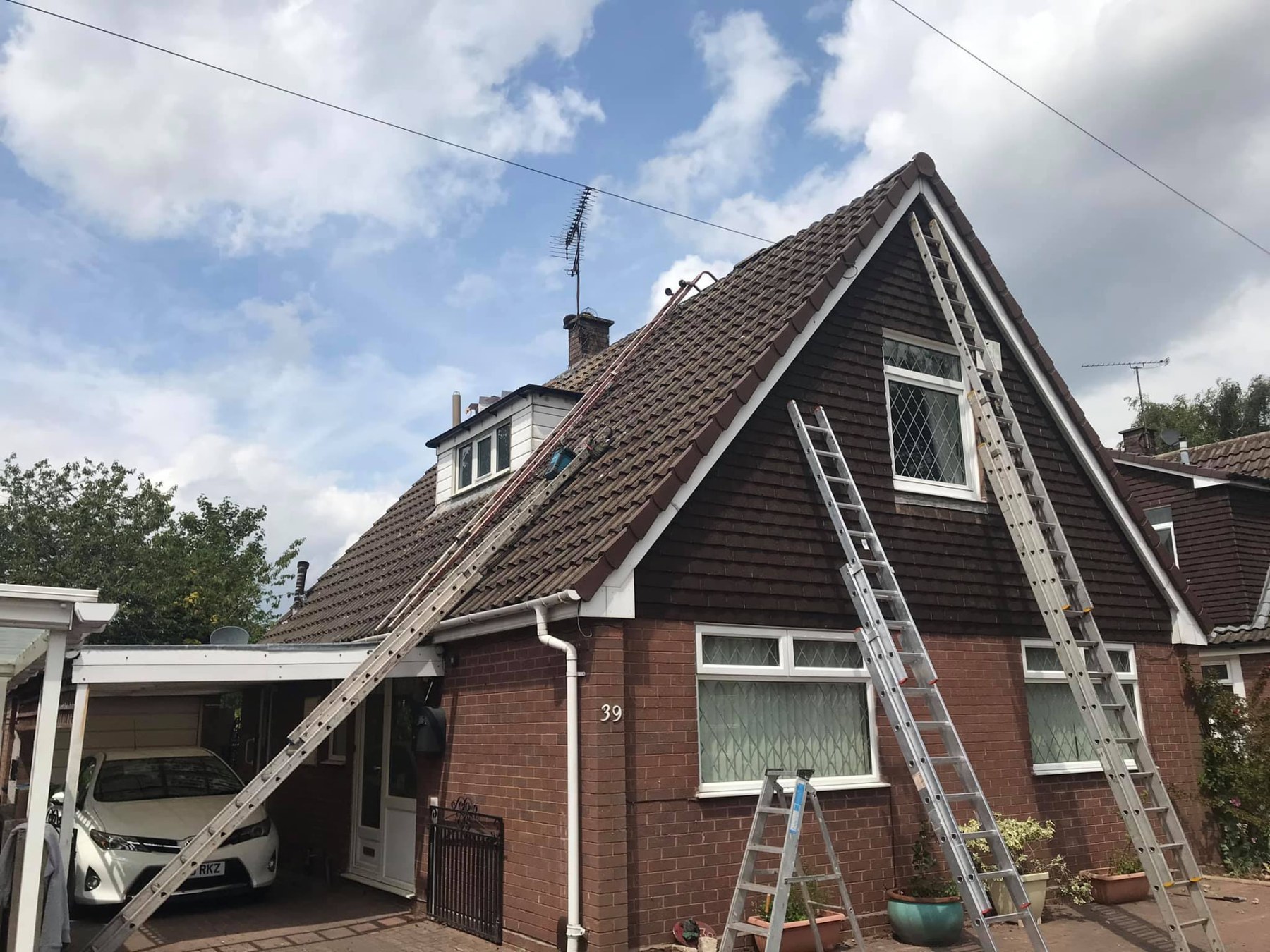
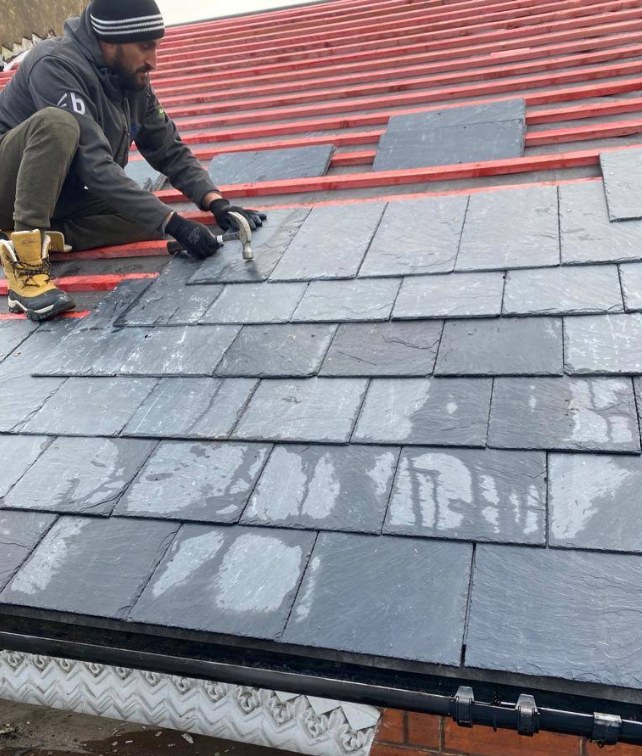
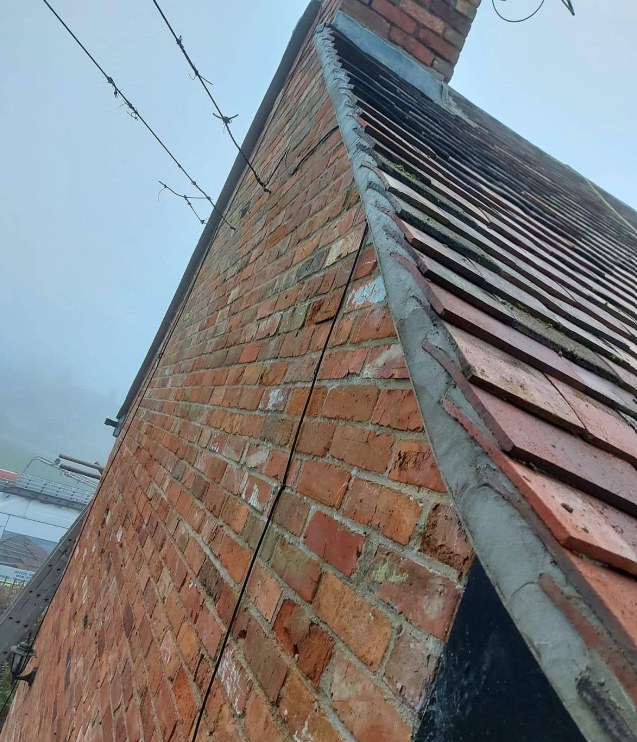
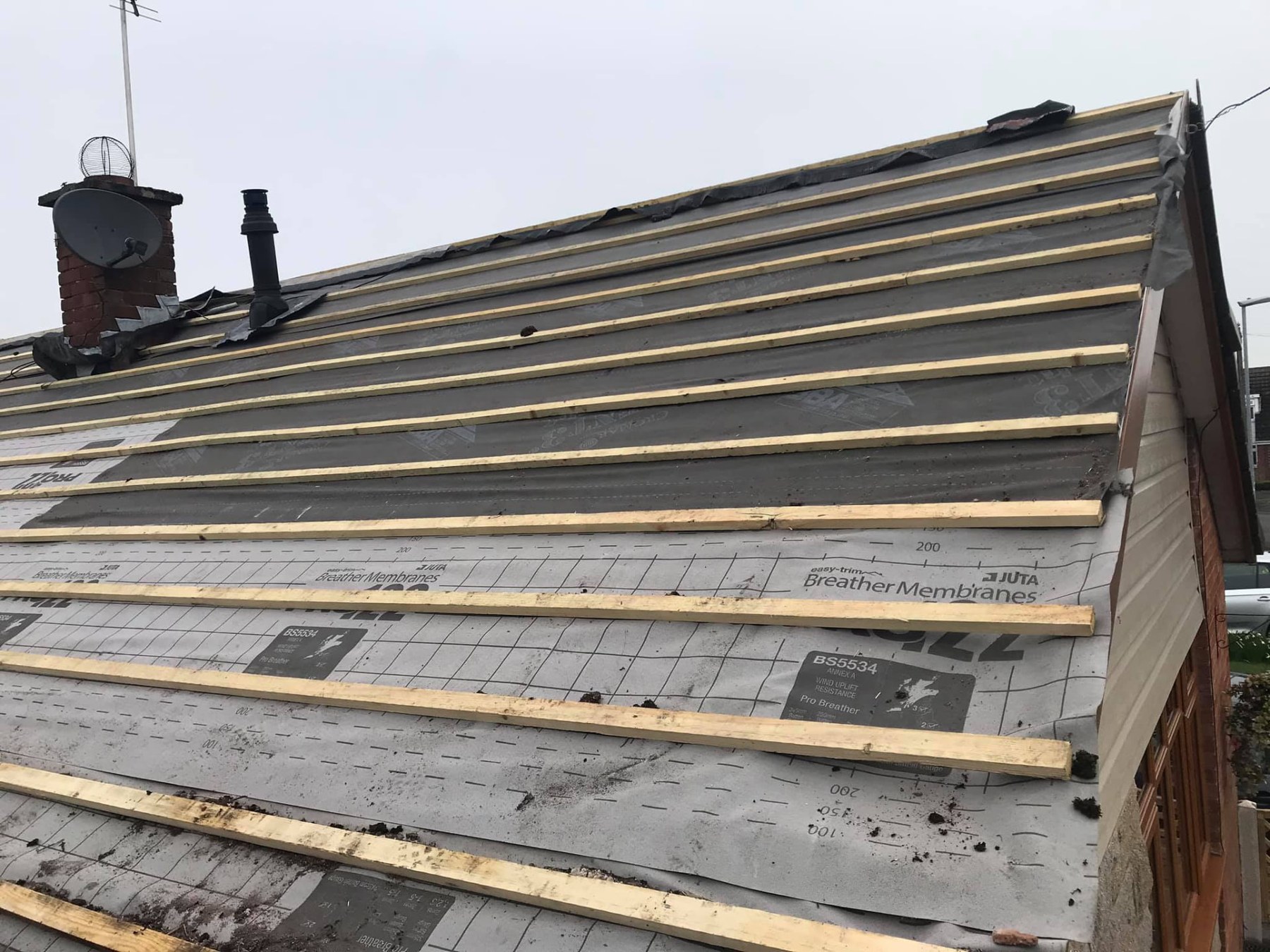
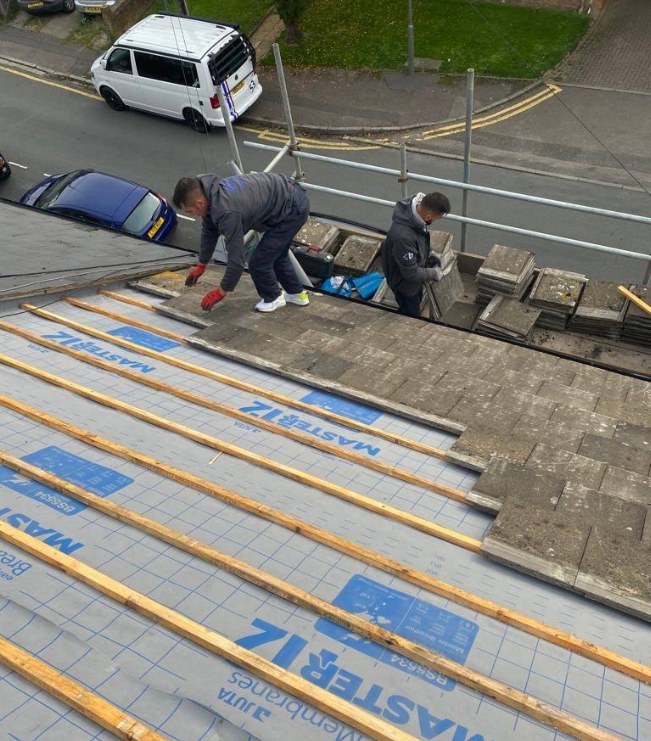
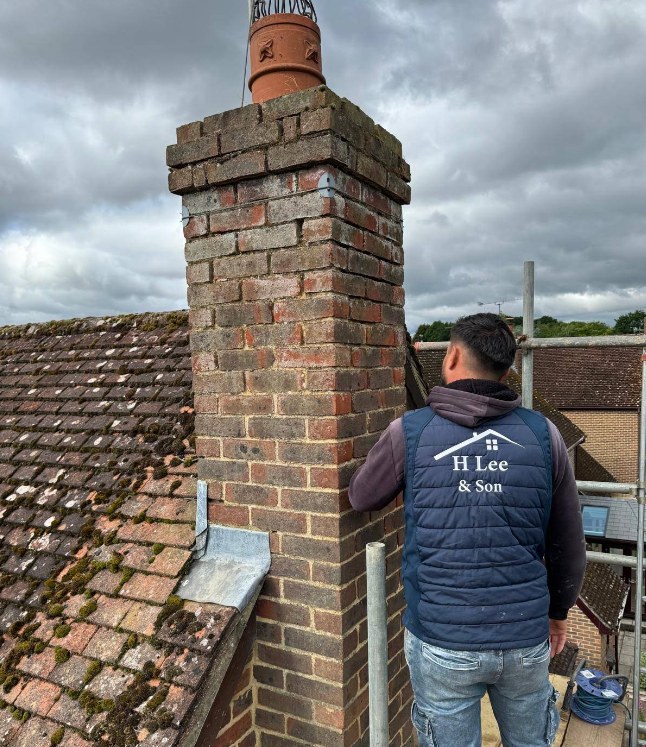
That range means we are equally comfortable re-leading a Victorian chimney stack on a Yorktown cottage, replacing tired concrete tiles across a whole 1970s cul-de-sac roof, or fitting a flat roof extension to a modern infill house. The Academy's presence also brings a steady flow of married quarters, MOD housing and nearby commercial premises that need reliable, insured contractors who can turn work around without fuss.
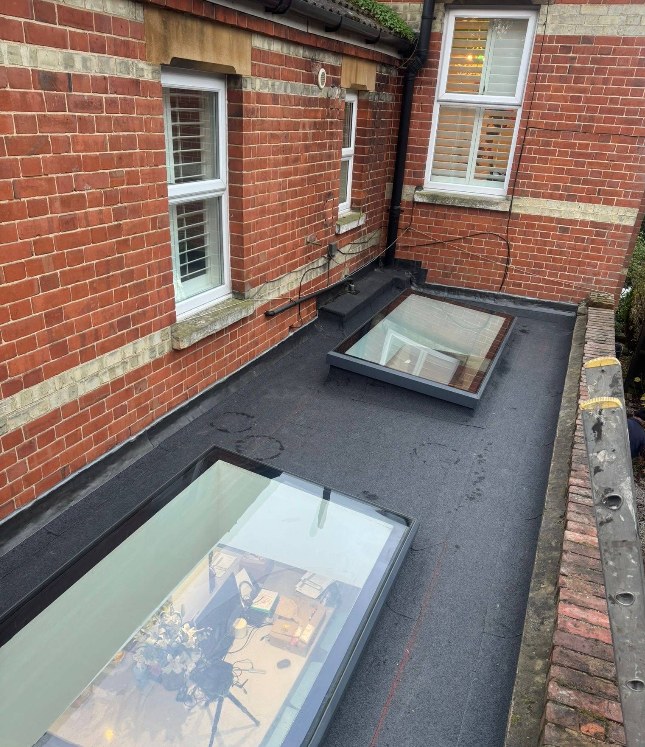
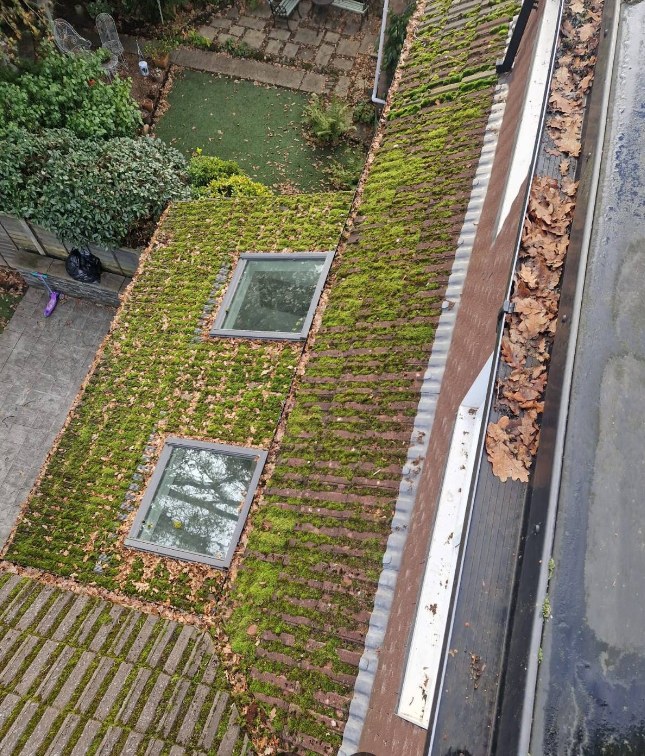
Drainage and exposure vary block by block. Streets close to the Broadmoor and Nine Mile Ride side of town catch more tree debris and shade, which speeds up moss growth on north-facing pitches, while the more open estates nearer the A321 see stronger prevailing wind that finds any weakness in ridge bedding or verge pointing. We see a steady mix of jobs typical of a mature town: annual gutter clearance ahead of autumn leaf fall, chimney repointing on older cottages, re-roofs on 1970s estates reaching the end of their original covering's life, and flat roof replacement over kitchen extensions and garages using Firestone RubberCover EPDM or Cure It GRP fibreglass.
Whatever the job, the process starts the same way: a free survey from a team that already knows Sandhurst's streets, photographs of the roof as it actually is, and a written quotation with no pressure attached. Being local means we are answerable to the town we work in, and that shapes how we do the job as much as any technical spec.