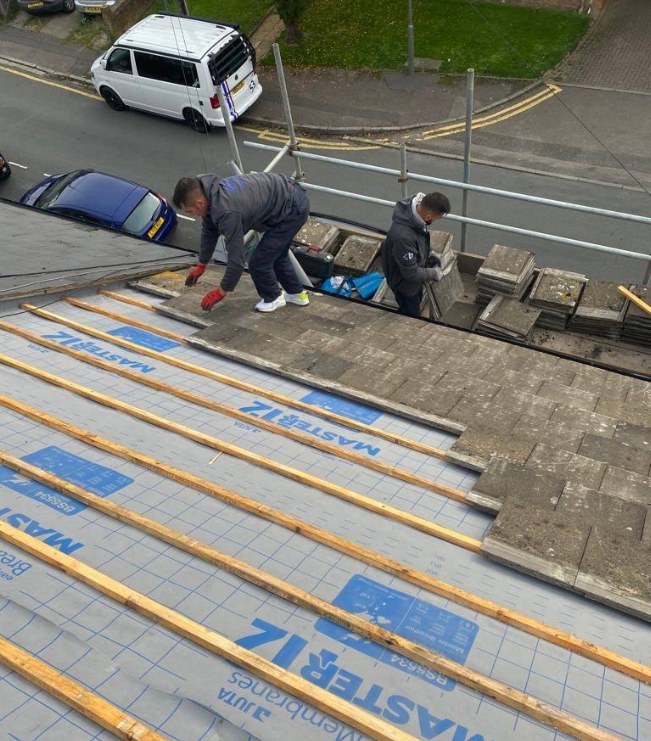
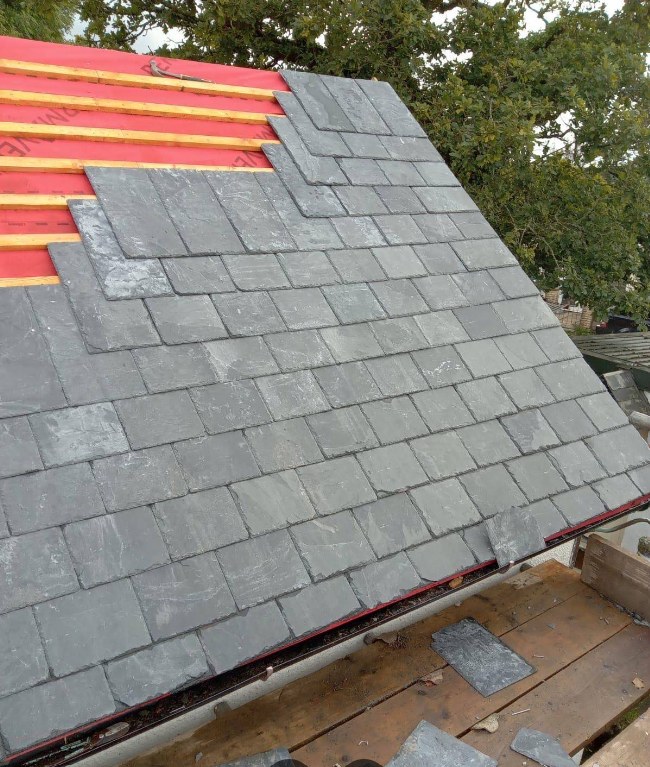
Wokingham is a genuinely old market town, and its roofscape reflects that history far more than the towns immediately around it. The centre around Rose Street, Peach Street and the Market Place is lined with Georgian and Victorian brick buildings under clay tiles and natural slate, several within a conservation area where roof repairs need to respect the appearance of the street as well as keep the building watertight. We take that seriously: matching tile profile and colour, and repointing ridges and verges in a way that does not stand out against a listed or conservation-sensitive frontage, is a different discipline to re-roofing a 1980s estate house.
Sandhurst to Wokingham is a straightforward run of around eight miles via the B3430 and the A321, and we cover the town regularly enough that same-day attendance for an urgent leak is usually possible whether the address is in the historic centre or one of the newer estates on the outskirts. That matters particularly in the town centre, where scaffold access has to be planned around narrow streets, shopfronts and pedestrian footfall in a way it does not on a suburban cul-de-sac.
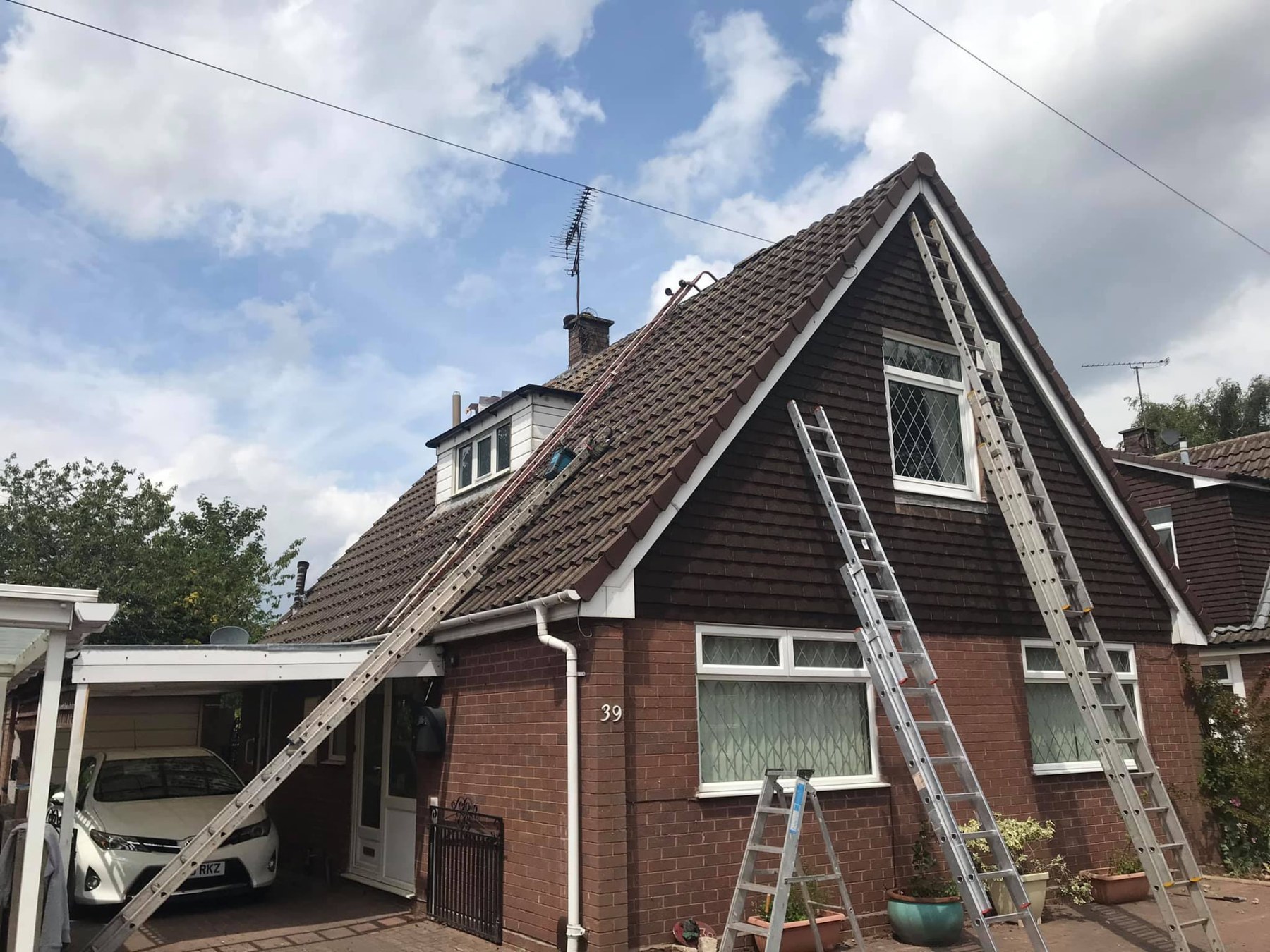
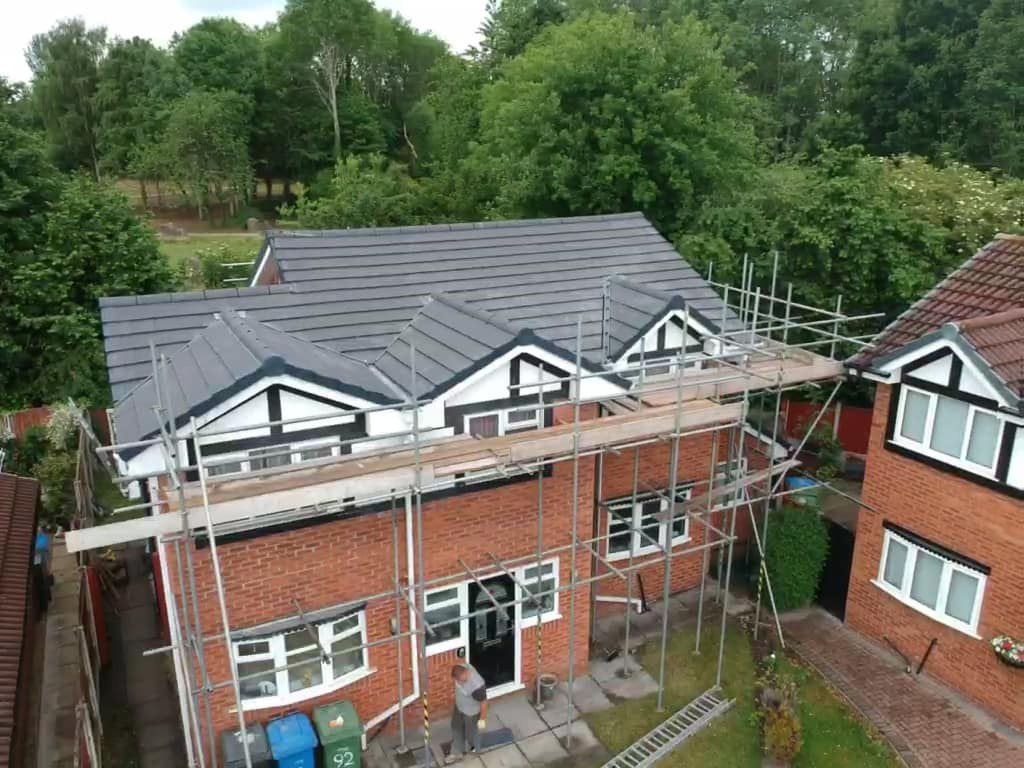
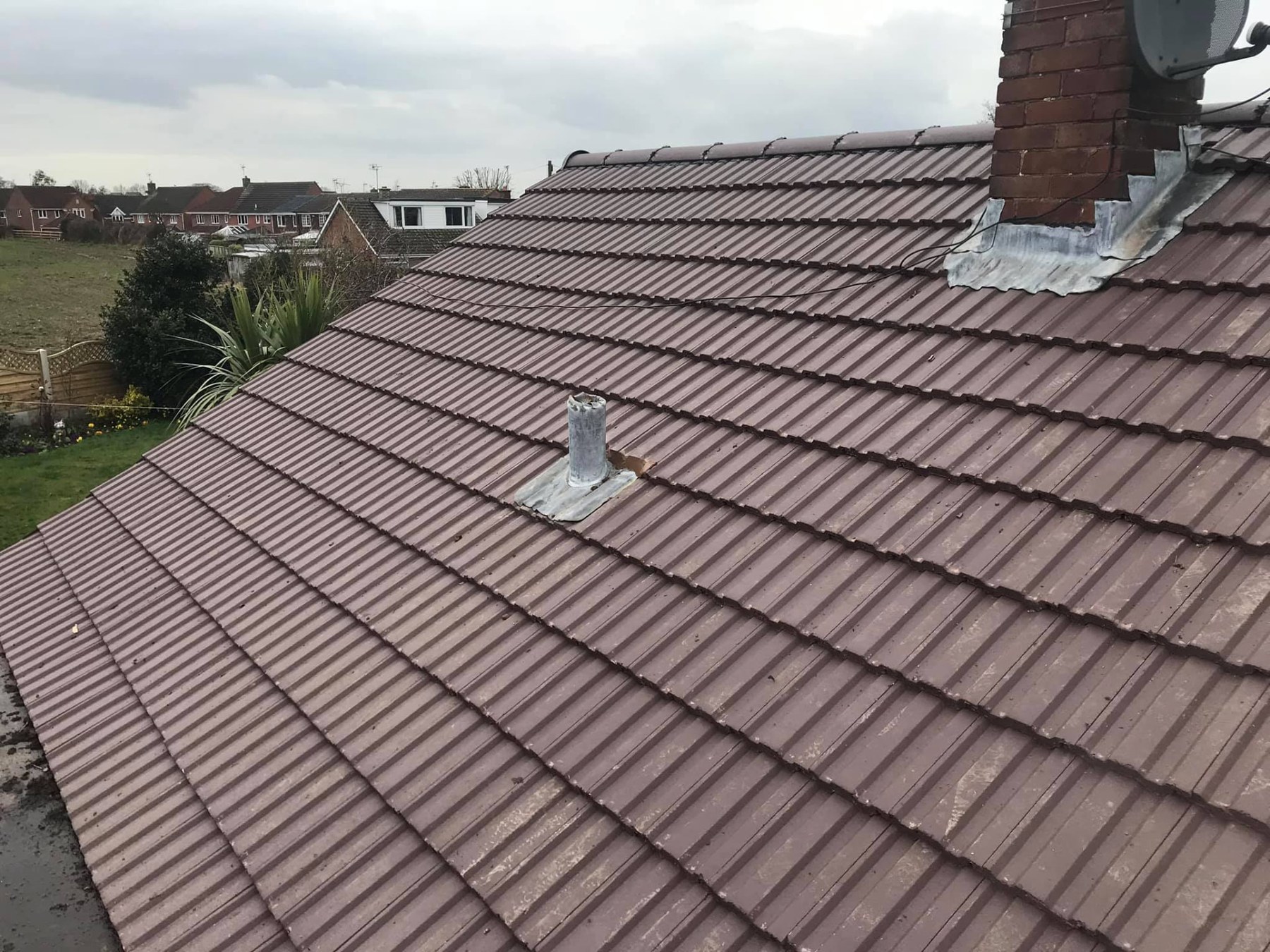
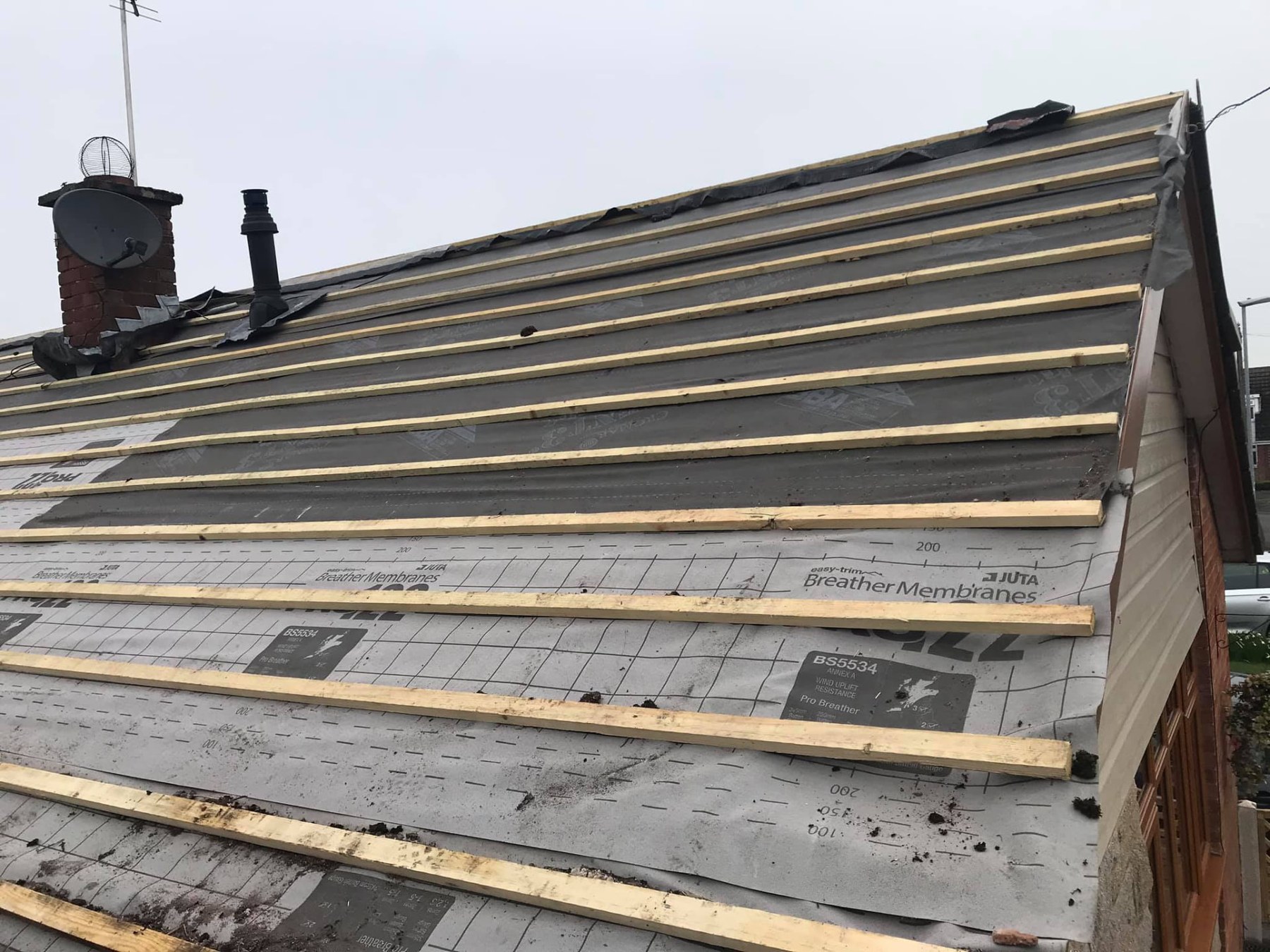
Beyond the centre, Wokingham has grown substantially outward. Emmbrook and Woosehill are largely made up of 1960s to 1980s housing with a mix of concrete and clay tile roofs, along with mature street trees that were planted around the same time and now overhang large sections of roofline. Further out, recent large-scale developments around the town, including newer estates off the Reading Road and towards Shinfield, add modern roofs with factory-made trusses and, in many cases, larger box gutters and rainwater goods sized for bigger roof areas.
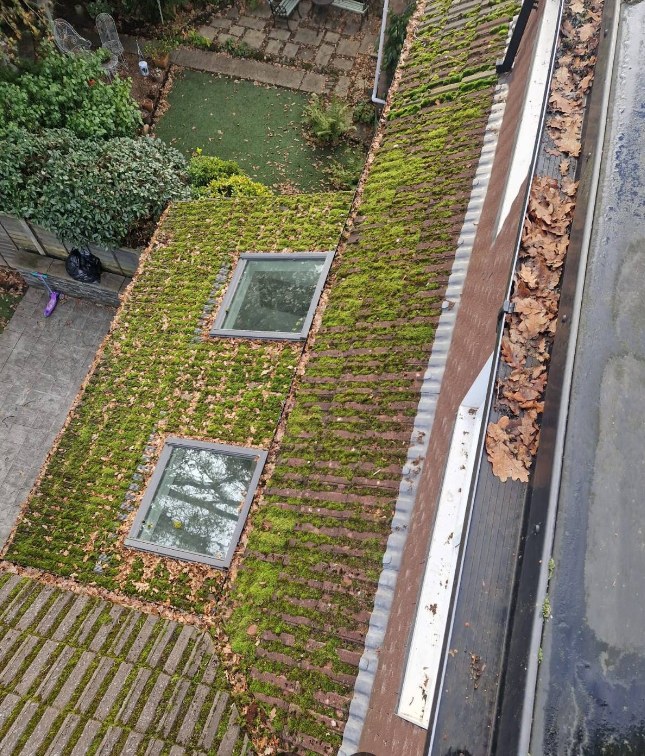
Tree cover is one of the defining features of roofing work in Wokingham compared with more open towns nearby. Mature oaks and other established trees around Emmbrook, Woosehill and the older parts of town shed leaves, moss spores and debris that build up in valleys and gutters far faster than on a more exposed roof, and we see gutter overflow and blocked downpipes as one of the most common call-outs across the town, particularly through autumn and after storms.
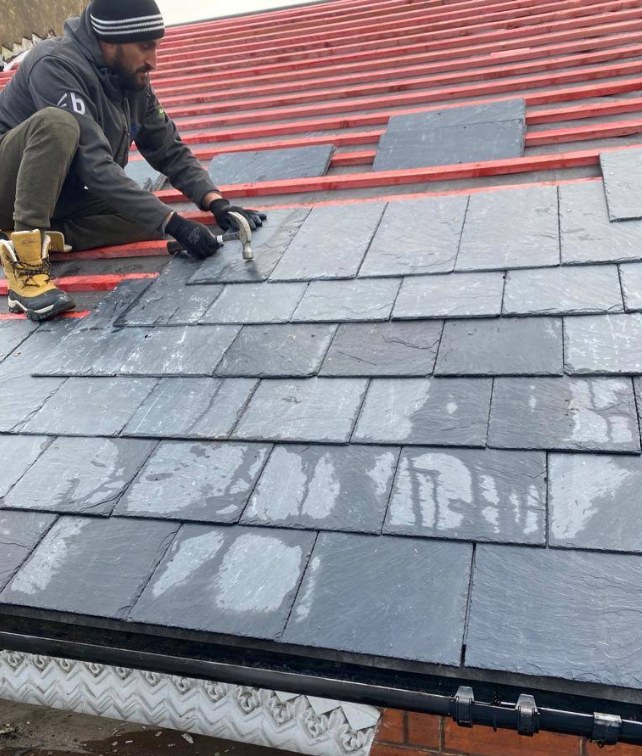
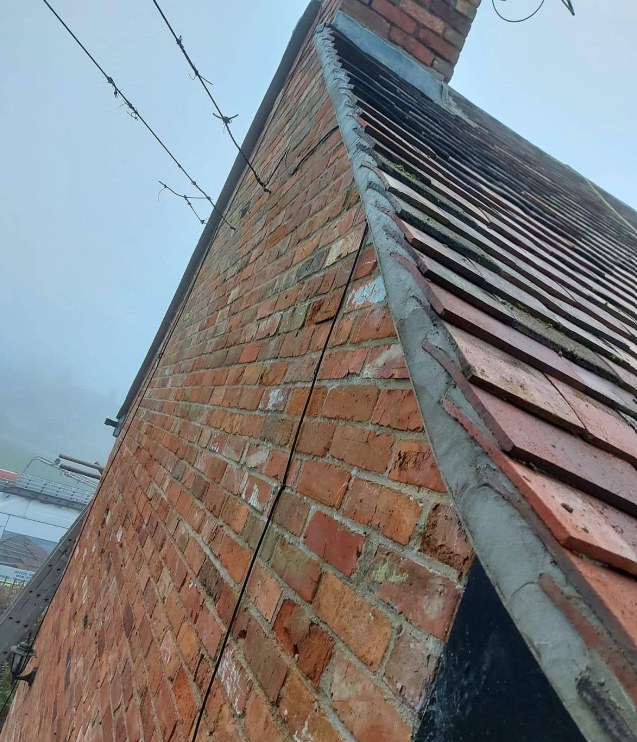
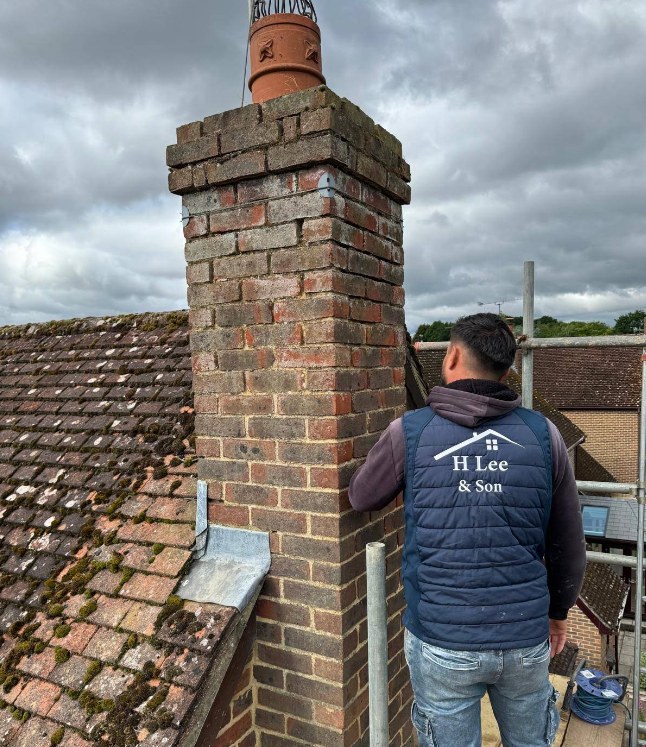
The Georgian and Victorian buildings in the centre bring their own recurring issues: aged clay tiles and slates that were never designed to be replaced piecemeal, lime mortar ridges that need repointing in a compatible material rather than modern cement, and chimney stacks that in many cases are original to the building and need careful flaunching rather than wholesale rebuilding.
We are equally comfortable quoting a straightforward re-roof on a 1970s Emmbrook semi and a sensitive repair to a listed shopfront roof on the Market Place, and we tell homeowners and business owners plainly which category their property falls into before any work starts.