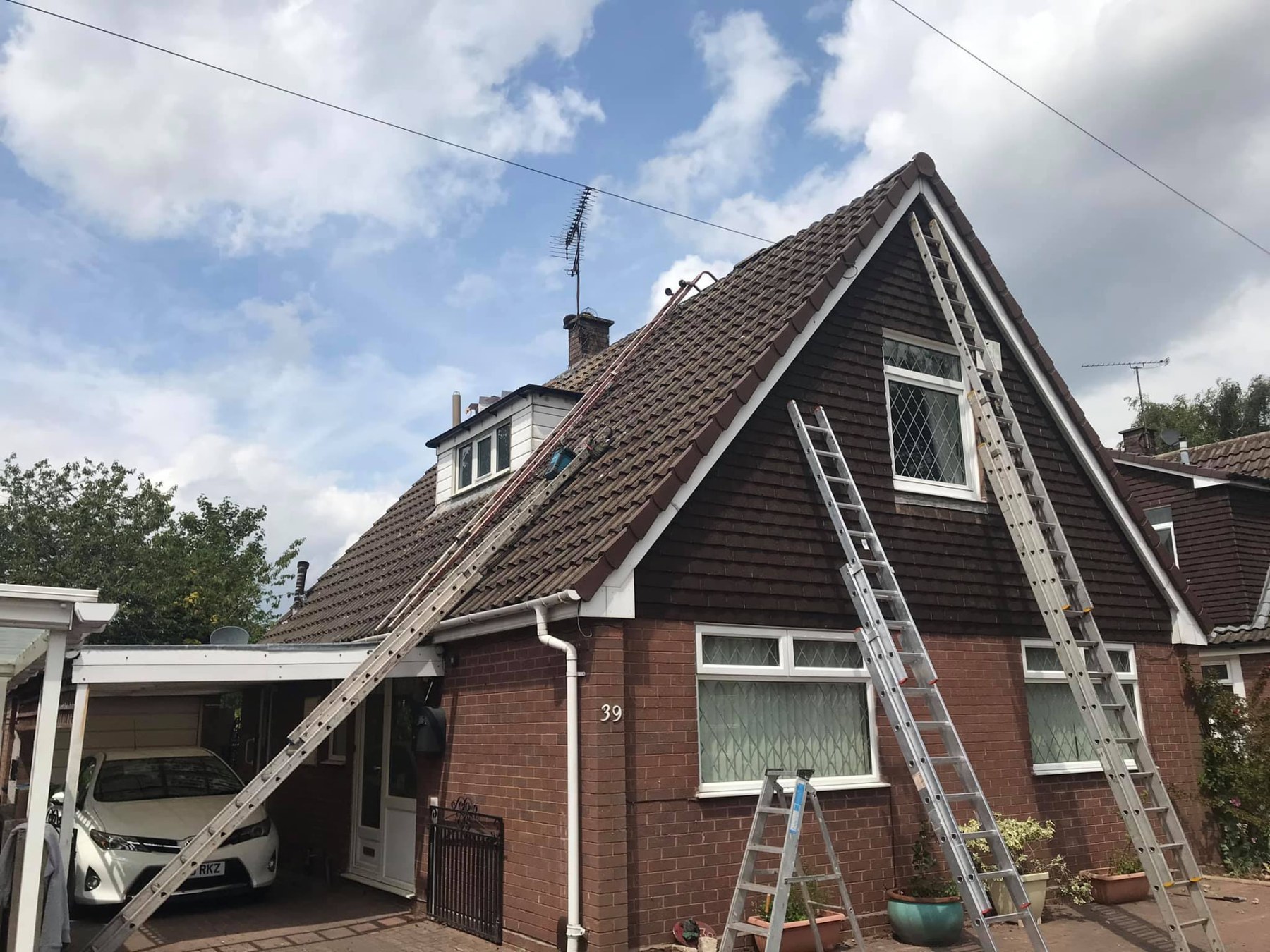
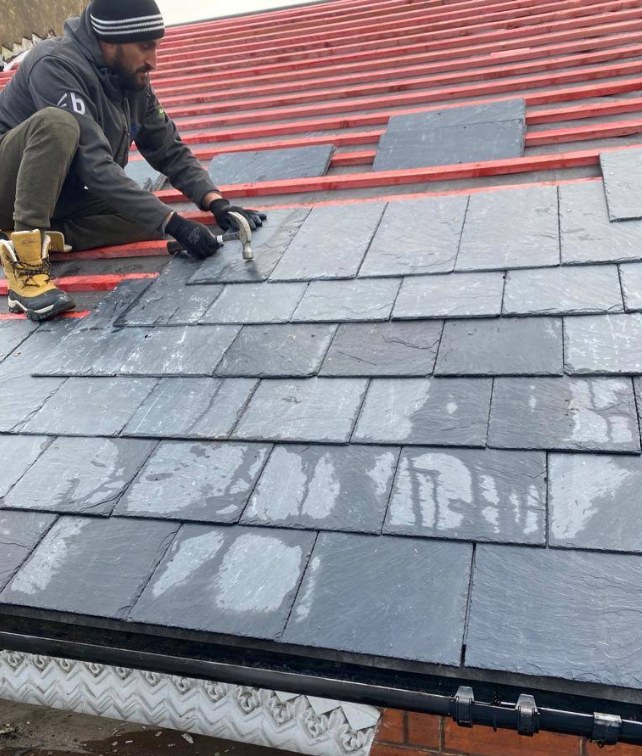
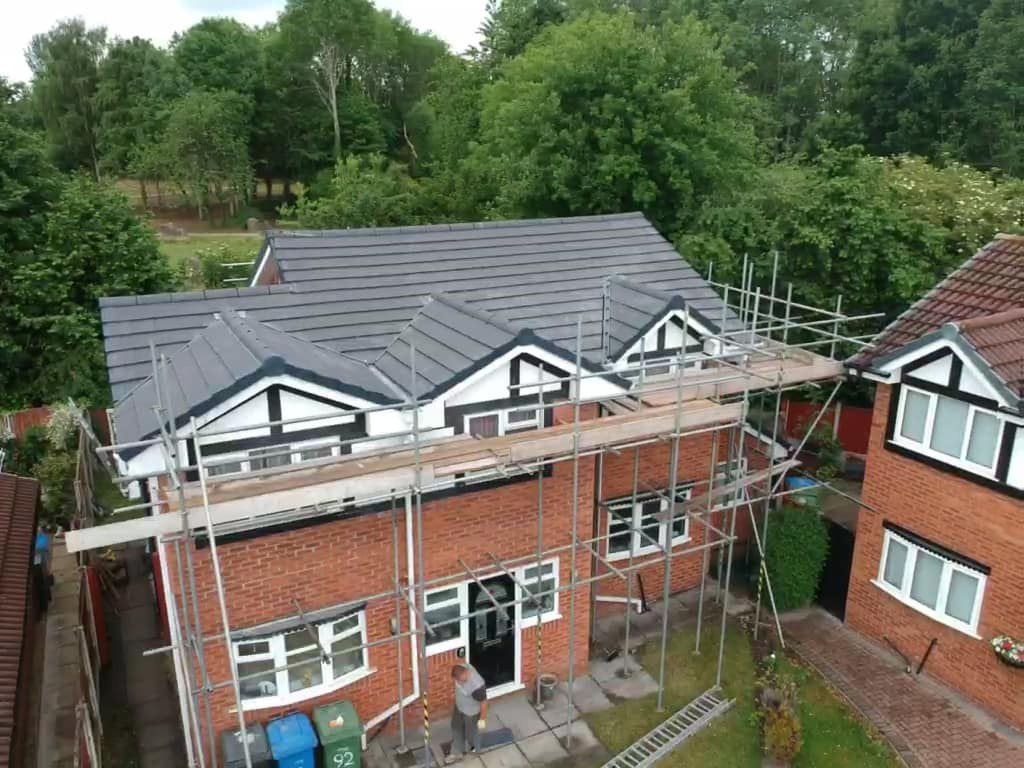
Fleet sits just over the Hampshire border from our Sandhurst base, and it's a town we know well, from the Edwardian villas around Fleet Road and the station to the newer streets off Ancells Road and out towards Elvetham Heath. We work on roofs across the town centre, Church Crookham, Pondtail and the estates that have grown up either side of the railway line over the last few decades. Whether it's a single slipped tile above a bay window on Kings Road or a full re-roof on a 1930s semi near the pond, we treat the survey and the write-up the same way every time: honestly, and in writing.
Fleet is around 12 miles from our Sandhurst yard, a run down the A327 and across the M3 that our teams make regularly. That proximity matters when a storm has lifted ridge tiles overnight or a chimney flashing has failed during a downpour, we can usually get a team out the same day, and we answer emergency calls 24 hours a day, seven days a week regardless of the hour the phone rings.
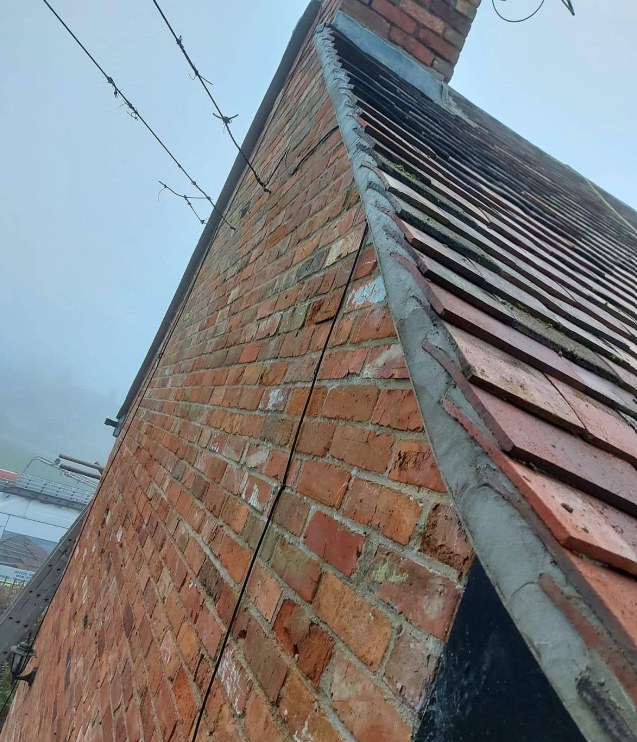
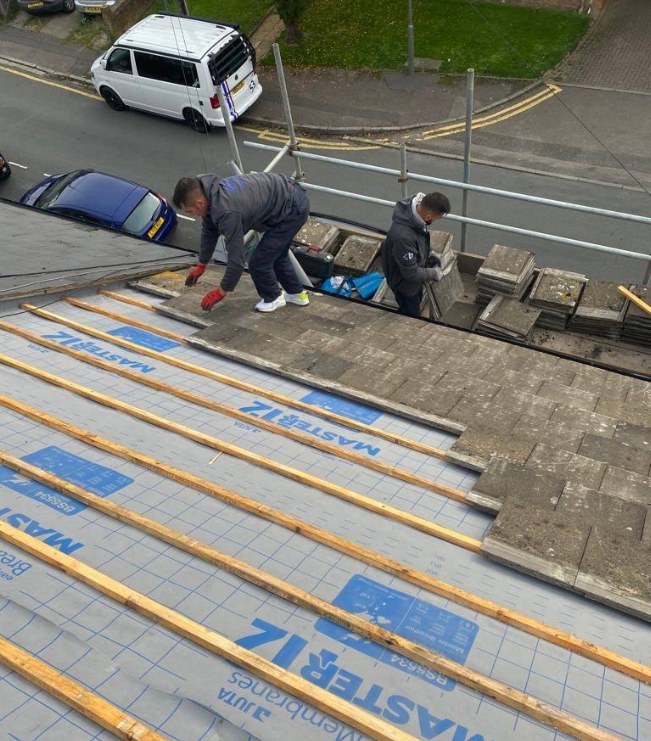
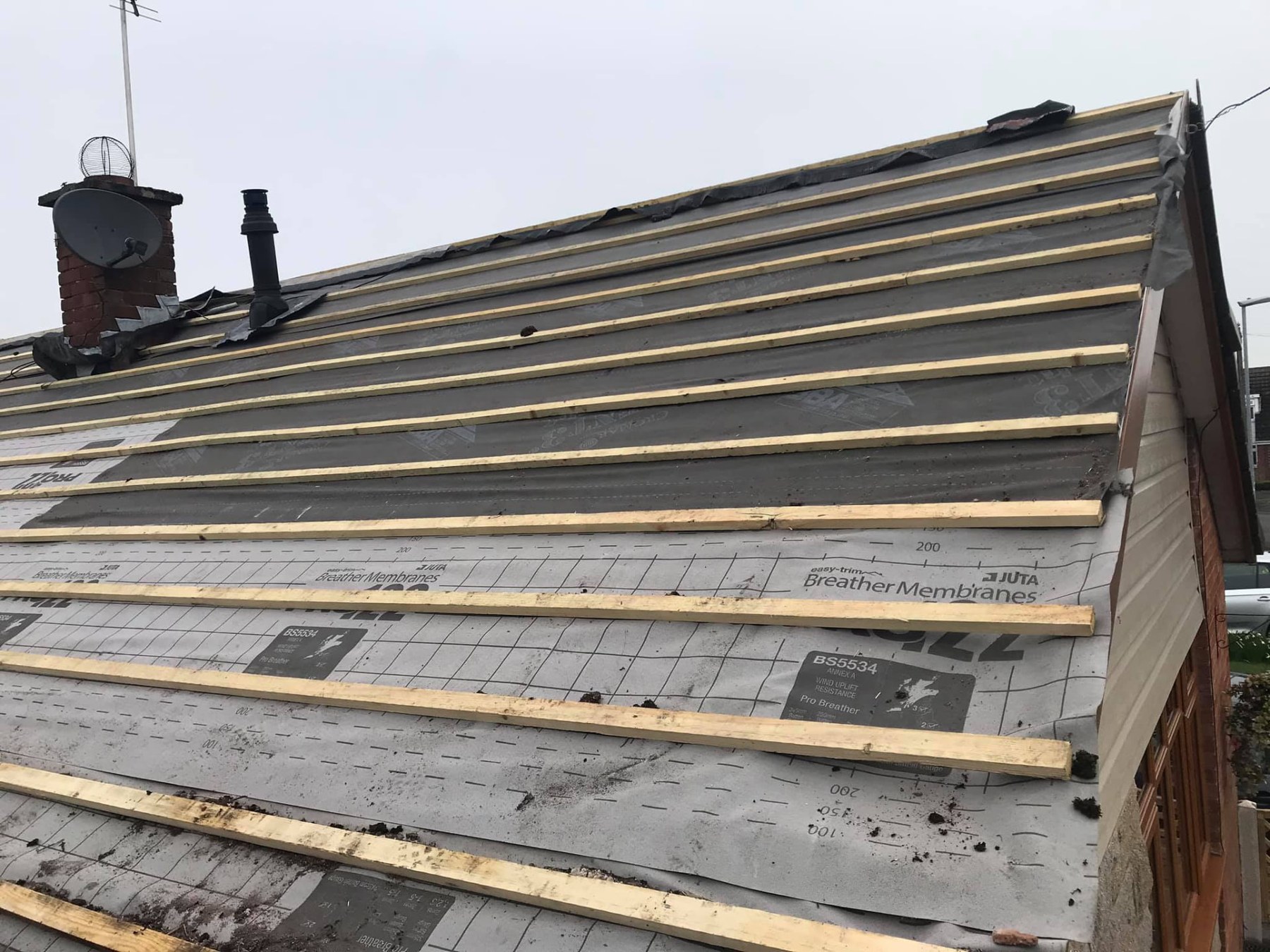
The town's housing stock is genuinely mixed, and that shapes the work we do. Around the station and along Church Road there are Edwardian and inter-war houses with clay or plain concrete tile roofs, often with decorative bargeboards, gable features and original chimney stacks that need careful repointing and flaunching rather than wholesale replacement. Further out, the 1930s bay-fronted semis near Fleet Pond and Sandy Lane have shallower pitches and simpler detailing, but their age means original felt underlay is now well past its working life on many of them.
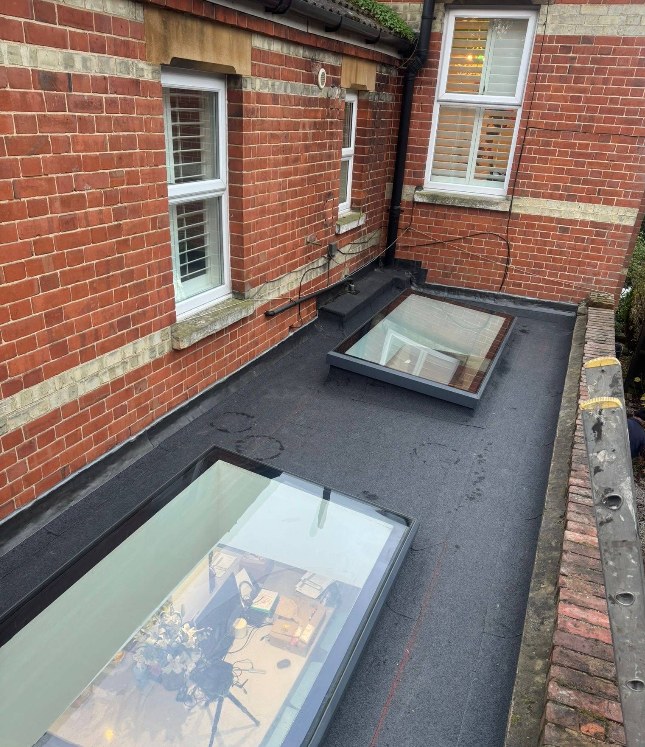
Elvetham Heath and the newer estates towards Netherhouse Moor bring a different set of jobs, interlocking concrete tiles, trussed roofs, uPVC roofline that has started to discolour or sag after twenty-odd years, and the occasional flat-roofed garage or dormer extension needing an EPDM or GRP covering rather than old-style felt. Church Crookham, with its mix of ex-MOD housing and newer infill, adds another layer of variety again, and we're used to switching specification from one street to the next.
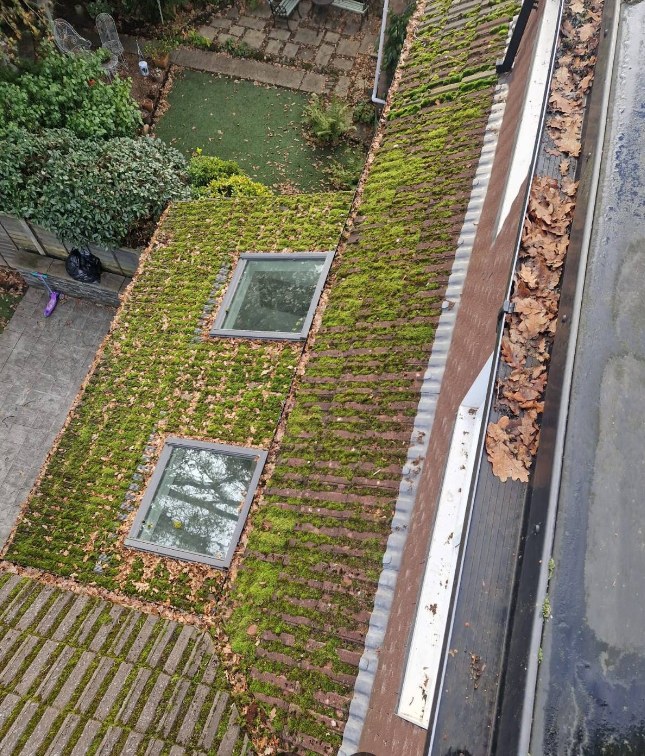
One thing Fleet properties share, wherever they sit in the town, is proximity to trees and water. Fleet Pond and the surrounding heathland and pine woodland mean a lot of roofs here sit under or near tree cover, and we see far more moss growth, algae staining and blocked gutters in Fleet than on more open sites nearby. North-facing pitches shaded by mature pines rarely dry out fully between wet spells, which accelerates moss colonisation on both concrete and clay tiles and silts up gutters faster than an exposed roof would.
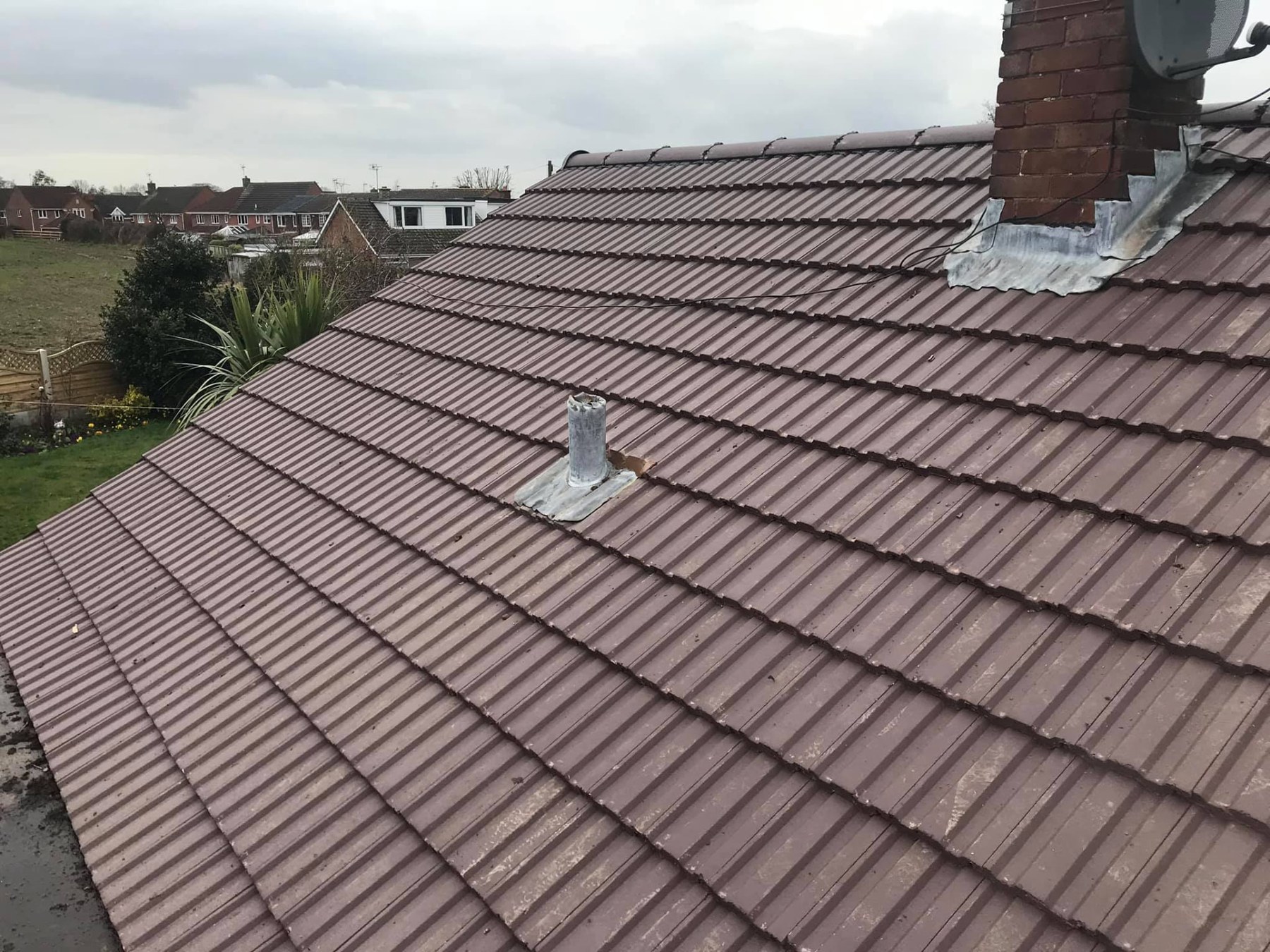
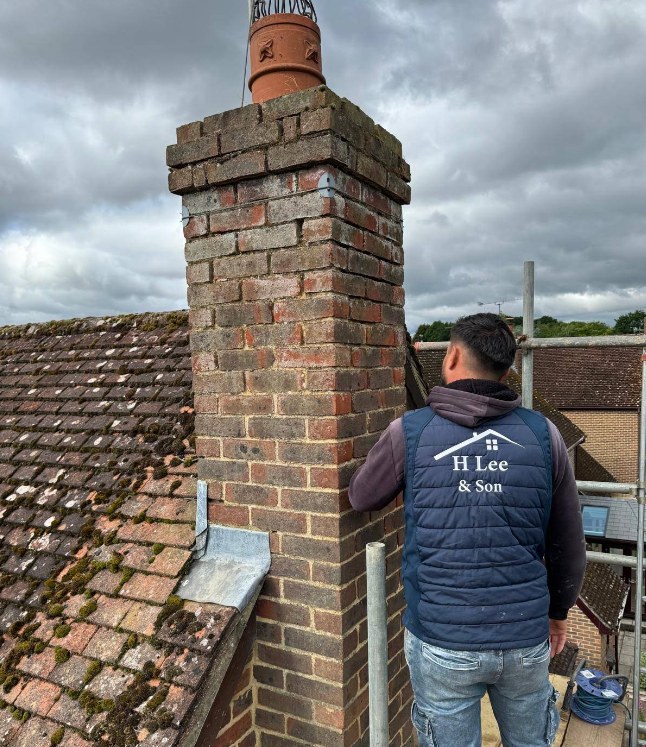
That combination of shade, damp and mature planting is why roof cleaning, biocide moss treatment and gutter clearance come up so often on our Fleet job sheets, alongside the more usual repair and re-roofing work. We also do a steady amount of leadwork on the older stock near the station, where original flashings around chimneys and bay windows have simply reached the end of their life.