Farnborough is unlike most of the towns we cover, because its identity is shaped as much by aviation and industry as by housing. Alongside the residential streets of Farnborough town, Cove and Southwood, GU14 contains a substantial amount of commercial and industrial roofing around the airfield, the business parks and the trading estates that have grown up around them, and we work on both sides of that divide as a matter of routine.
Sandhurst to Farnborough is a short drive of around six miles, mostly via the A327 and A325, and we attend GU14 regularly enough that same-day attendance is usually possible for an urgent domestic leak or a commercial flat roof failure alike. That responsiveness matters more in Farnborough than in some neighbouring towns, because a leaking commercial flat roof over stock, equipment or office space can escalate into a costly problem within hours rather than days.
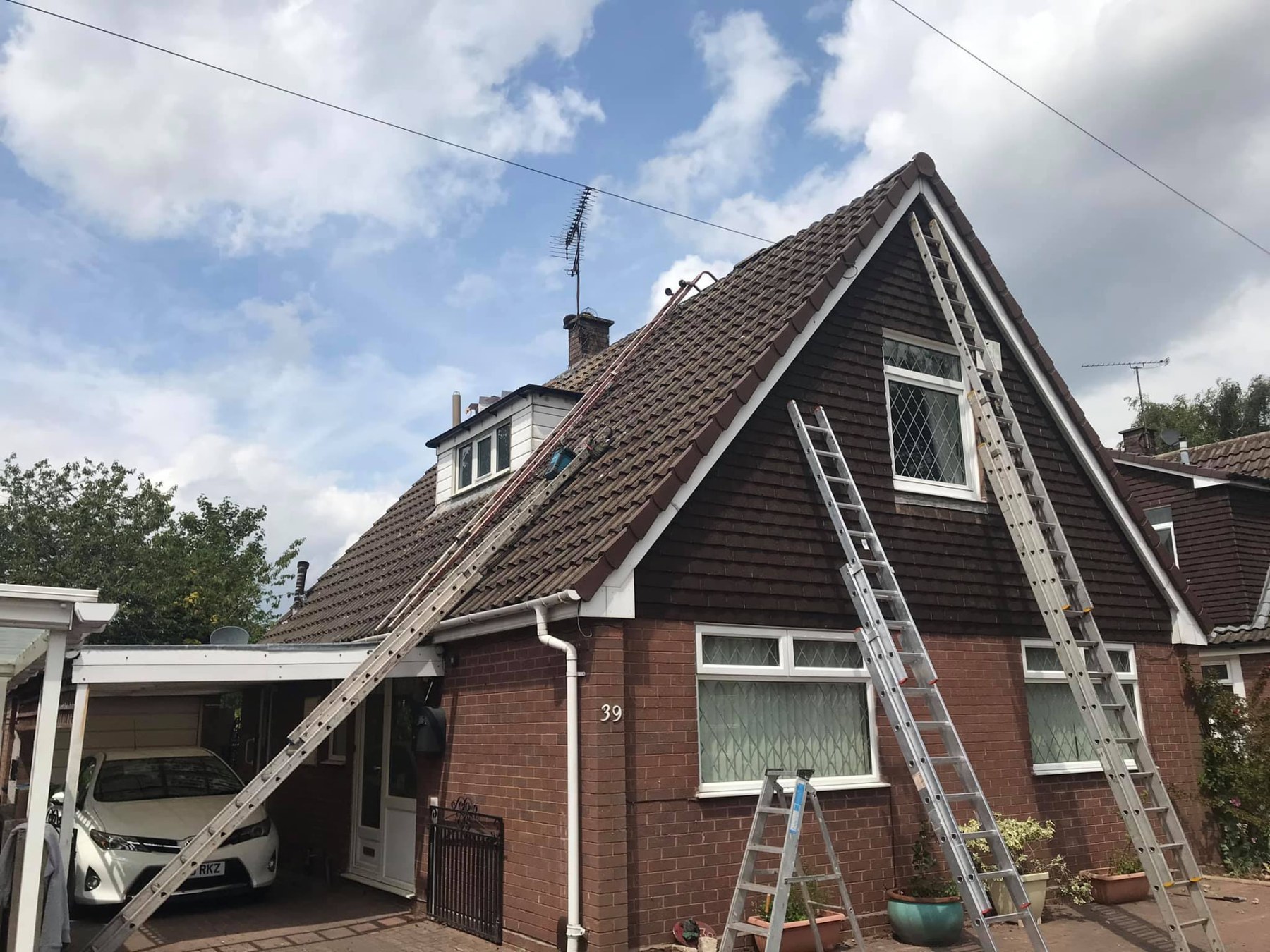
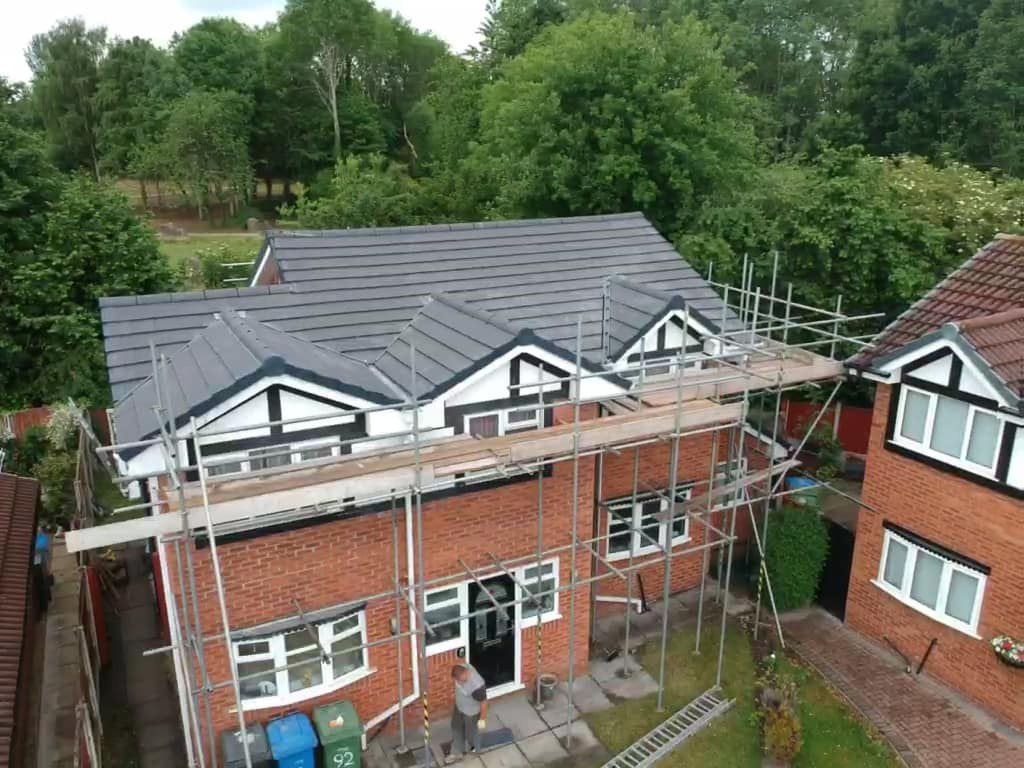
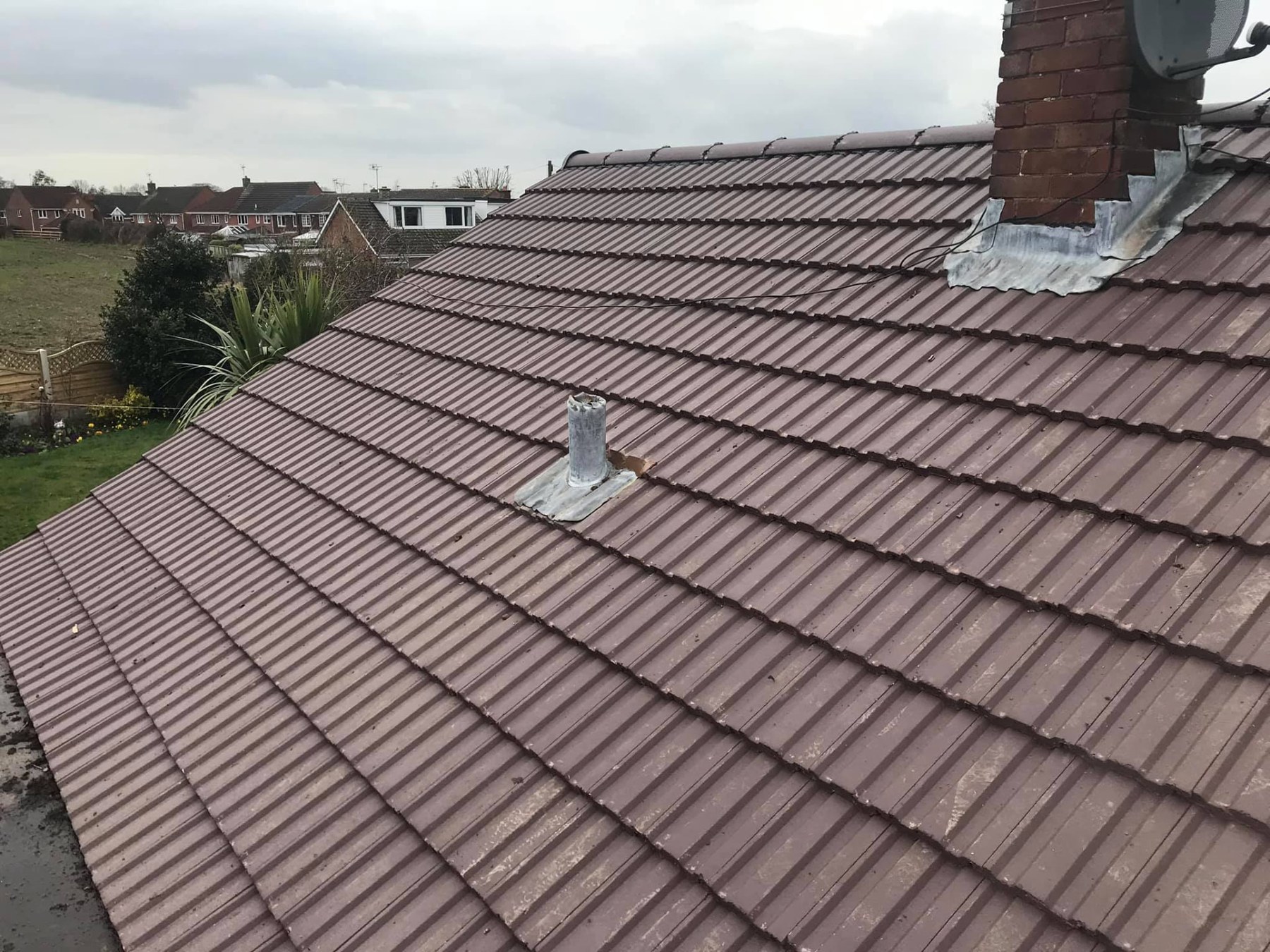
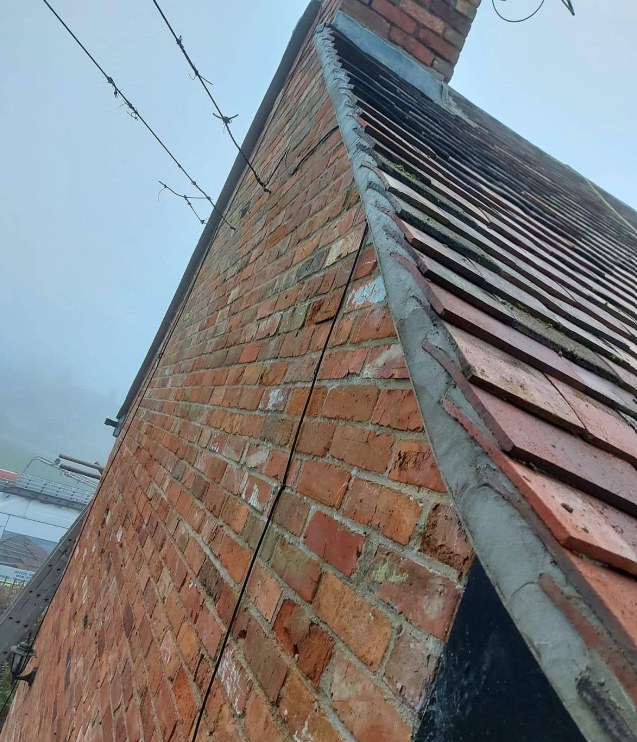
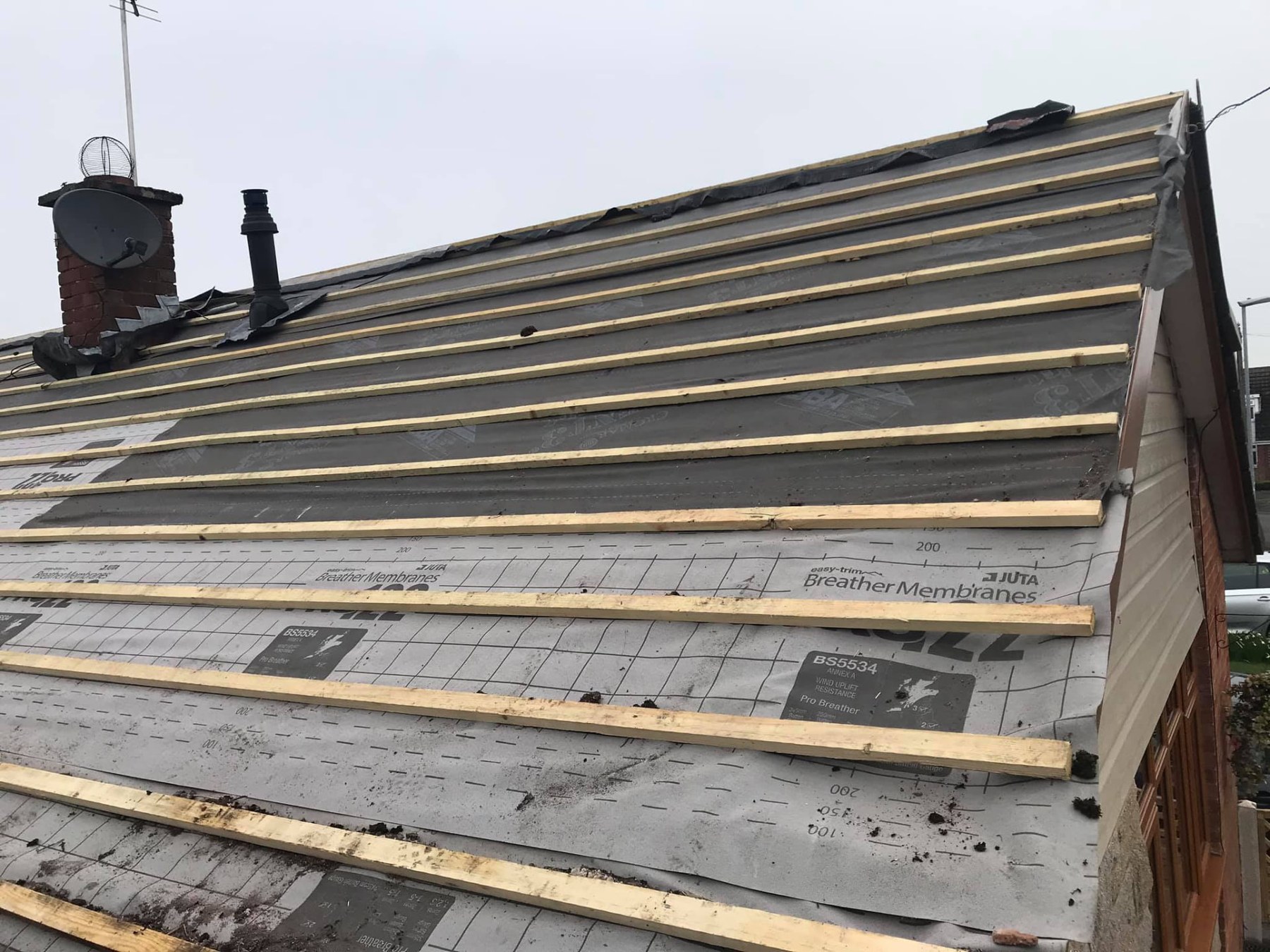
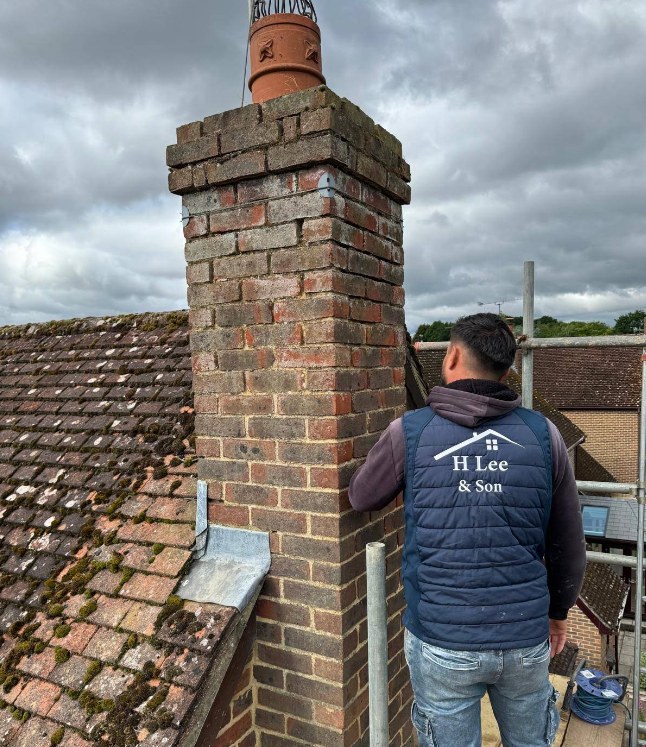
Farnborough's residential streets are largely a mix of 1930s semi-detached housing in the older parts of town and post-war estate housing in Cove and Southwood, developed through the 1950s and 60s as the town expanded around its aerospace and defence employers. The 1930s semis typically have steeper-pitched roofs in clay or concrete tile with original chimney stacks, while Cove and Southwood's postwar housing tends towards lower-pitched concrete tile roofs similar in character to estates in nearby Aldershot and Farnham, often extended with rear dormers and single-storey additions over the years.
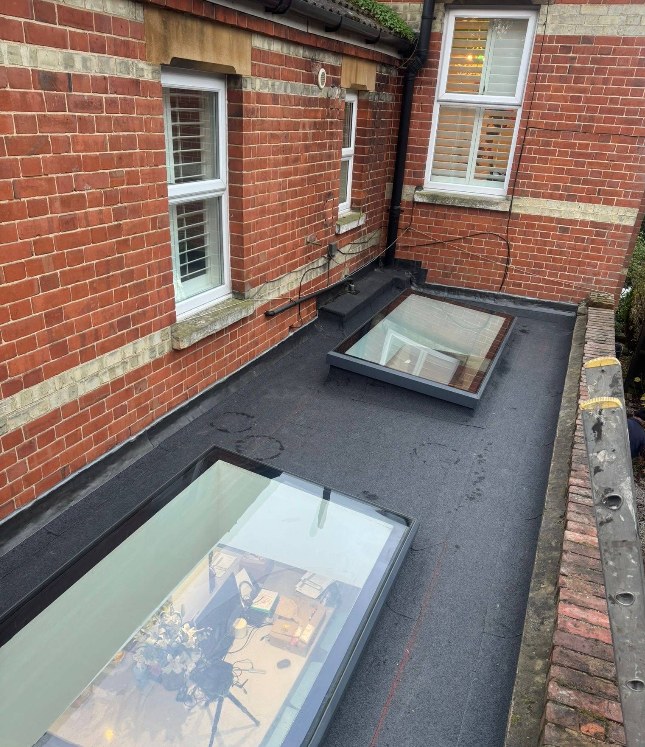
The town's commercial character means we also do a significant amount of flat roofing work on units, offices and light industrial buildings around the business parks and trading estates near the airfield. These roofs cover far larger areas than a typical domestic flat roof and are exposed to open ground with little shelter, which increases wind loading on membranes and accelerates wear on ageing felt and older built-up systems.
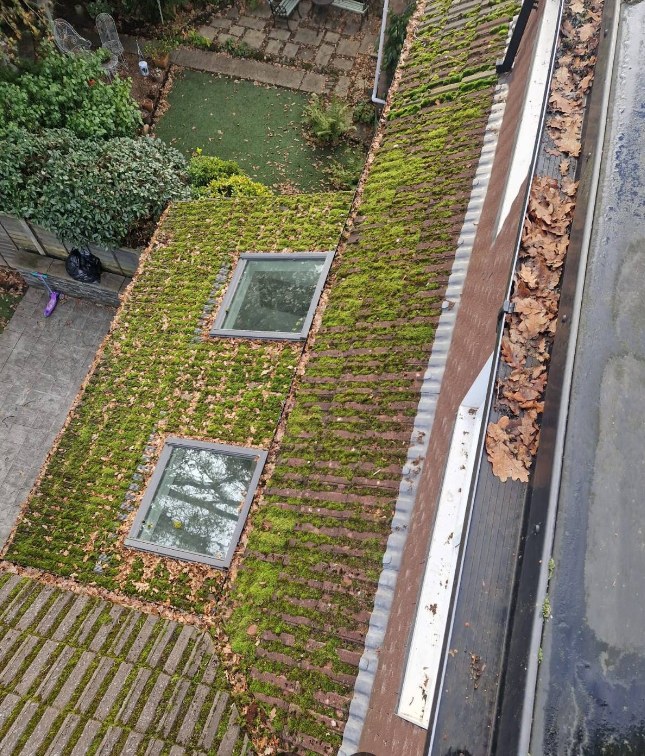
That exposure across open ground is a defining feature of Farnborough roofing generally, not just on commercial buildings. The flat terrain around the airfield and the business parks means both domestic and commercial roofs in parts of GU14 take more wind-driven rain and see faster degradation of exposed flashing and roofline than properties tucked into more sheltered, tree-lined streets elsewhere in the area.
We are equally set up to quote a straightforward tile repair on a Cove semi and a full EPDM or GRP recovering on a business park unit, and we give commercial customers the same free survey, written quotation and photographic record that domestic customers receive.